Top Signs Your Roof Needs Repair or Replacement: Essential Roof Damage Indicators and Expert Solutions
Your roof is the primary barrier between your home and the elements. Recognising signs that a roof needs repair or replacement lets you protect the property, avoid larger expenses, and preserve safety. This guide lists clear indicators of roof damage and outlines practical, expert solutions so you can act at the right time and limit disruption.
From curling shingles to hidden leaks and age-related wear, knowing what to inspect saves time and money. We explain visible damage, internal water issues, replacement considerations, storm impacts, and how solar installations interact with roofing work. We also cover professional inspections and insurance support to simplify your next steps.
Expert Solutions for Homeowners
Proactive maintenance reduces the chance of emergency repairs. Schedule regular professional inspections to identify issues early and prioritise necessary work. When severe damage occurs, follow emergency protocols and contact qualified teams promptly.
Using providers such as Best Roofer Solar gives homeowners a single point of contact for assessment, repair, replacement, and solar integration across the Dallas–Fort Worth Metroplex. Their coordinated services streamline planning and execution when expert support is required.
What Are the Most Visible Signs of Roof Damage to Watch For?
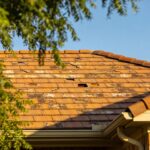
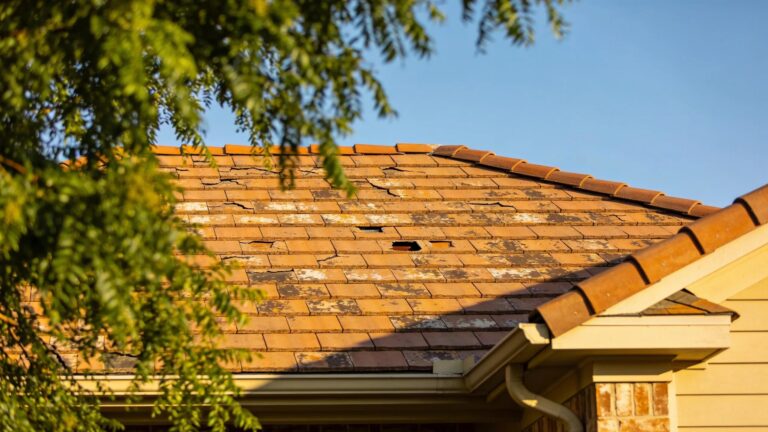
Visible indicators of roof damage warn of developing problems. Watch for discoloration, missing or damaged shingles, and granules collecting in gutters. These signs justify a detailed inspection to determine the scope of repairs or replacement.
How Do Curling, Cracked, or Missing Shingles Signal Roof Problems?
Curling, cracked, or absent shingles weaken the roof’s protective layer and indicate water or structural issues beneath. When shingles fail, moisture can reach decking and insulation, increasing mould risk and energy costs. Timely inspection and repair preserve insulation performance and interior conditions.
What Does Granule Loss Reveal About Your Roof’s Condition?
Granule loss reduces a shingle’s UV protection and weather resistance. Exposed shingles age faster and are more likely to leak. Spotting granules in gutters or downspouts should prompt a professional assessment to determine whether patching or full replacement is required.
How Can You Detect Roof Leaks and Internal Water Damage Early?
Early leak detection limits interior damage and repair complexity. Pay attention to subtle signs that indicate water intrusion so you can take corrective action before conditions worsen.
What Are the Common Indoor Signs Pointing to a Roof Leak?
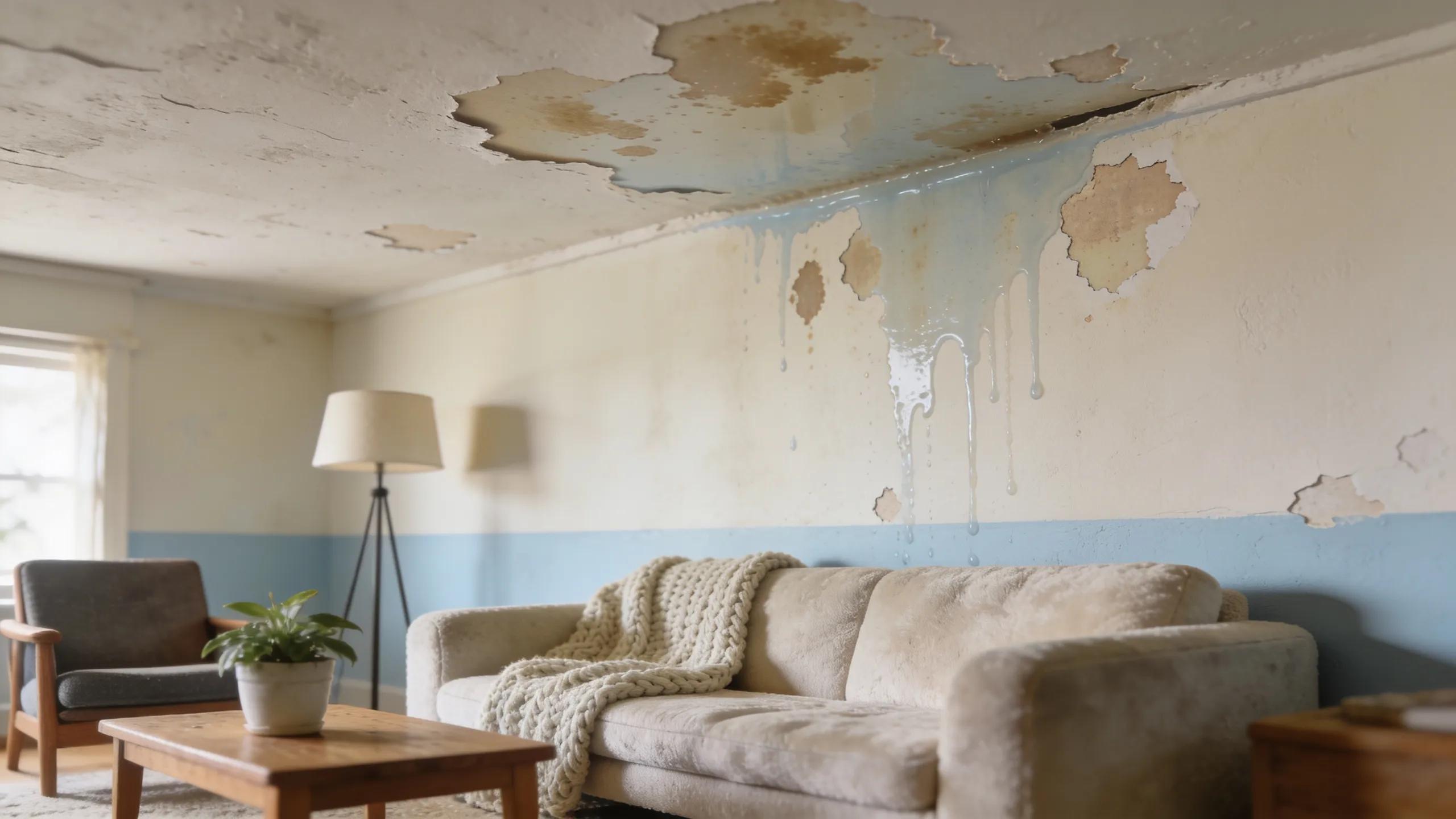
Indoor signs of a roof leak include brown ceiling stains, visible mould, peeling paint, and sagging sections. These symptoms mean water has breached the roof system and require prompt evaluation to reduce remediation costs and prevent structural damage.
How Does Roof Ventilation Impact Leak Formation and Moisture Issues?
Correct roof ventilation controls condensation and lowers moisture that causes mould and material degradation. Poor ventilation accelerates wear on roofing components and undermines energy efficiency. Confirm ventilation is functioning to extend roof life and protect indoor air quality.
When Should You Consider Roof Replacement Based on Age and Material Lifespan?
Roof age and material performance are central to replacement decisions. Evaluate expected lifespans alongside current condition and repair history to plan for timely replacement and budget accordingly.
What Is the Typical Lifespan of Asphalt Shingles and Other Roofing Materials?
Asphalt shingles typically last 15–30 years depending on product quality and installation. Other materials vary; for example, metal roofs can perform for 40–70 years. Understand the expected lifespan of your chosen material to anticipate replacement timing and long-term costs.
How Does Storm Damage Affect Roof Longevity and Replacement Decisions?
Storms can cause damage that shifts the balance from repair to full replacement. Evaluate the type and extent of damage—such as missing shingles or dents in metal—and review insurance options when deciding the most cost-effective route.
What Are the Effects of Storm and Hail Damage on Your Roof’s Integrity?
Severe weather can compromise roofing components and allow water entry. A thorough post-storm inspection identifies urgent issues and informs the correct remediation strategy.
How to Identify Storm-Related Roof Damage That Requires Immediate Attention?
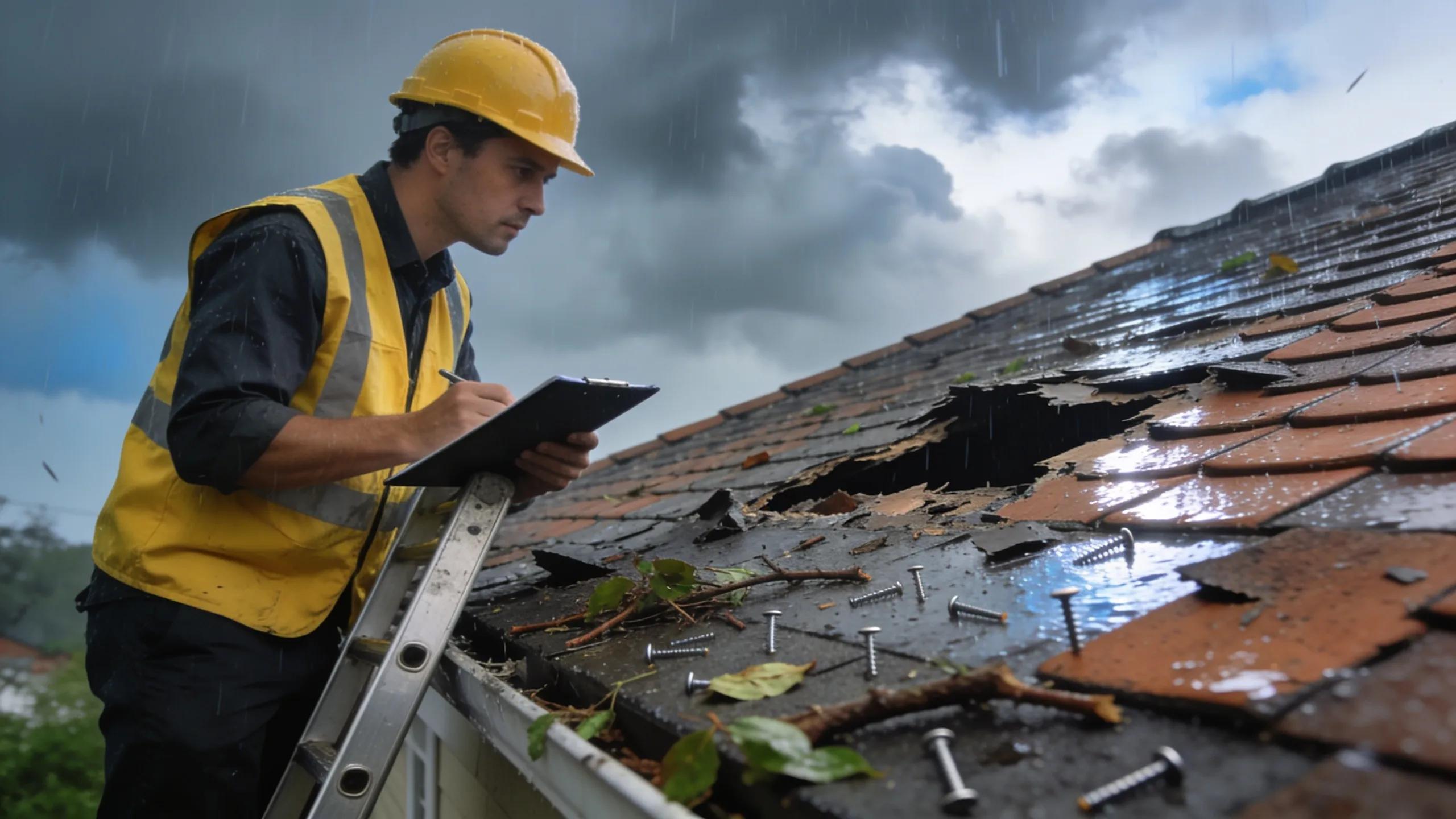
After a storm, inspect for impact damage, missing or split shingles, and active attic leaks. These conditions may require immediate repair or temporary tarping to prevent further intrusion. If these issues are significant, emergency tarping is a crucial temporary solution. For immediate help, the emergency tarping service can protect your home from further water intrusion.
When Is Emergency Tarping Necessary Following Severe Weather?
Emergency tarping is appropriate when damaged roofing allows ongoing water entry or presents a clear risk to the structure. Applying a temporary cover quickly limits additional damage while you arrange professional repairs.
How Do Solar Panels Affect Roof Repair and Replacement Processes?
Solar installations add complexity to roofing work. Plan for safe panel removal and reinstallation when scheduling repairs or replacement to avoid damage and unexpected costs.
What Are the Challenges of Solar Panel Detachment During Roof Repairs?
Removing solar panels for roof access introduces risks such as panel damage and extra labour. Ensure certified technicians handle both the electrical and roofing elements. Coordinated services and experienced crews reduce downtime and protect system warranties, and options like solar panel detachment and resetting support complex projects.
How Can Solar Panel Compatibility Influence Roof Replacement Choices?
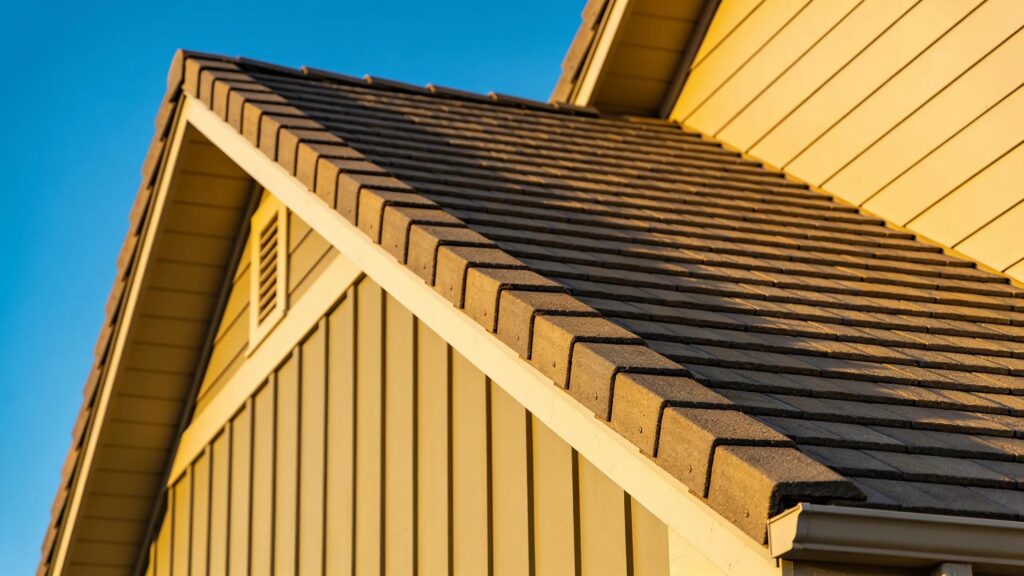
When planning a roof replacement, consider which materials will support long-term solar mounting and performance. Some roofing systems are better suited to solar arrays; consult professionals to align material selection with your energy goals and installation requirements.
How Can Professional Roof Inspections and Insurance Claim Assistance Streamline Repairs?
Professional inspections provide accurate condition assessments and documented findings, which help you choose the right repairs and support insurance claims when applicable.
Why Is a Professional Roof Inspection Crucial for Accurate Damage Assessment?
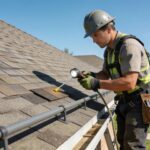
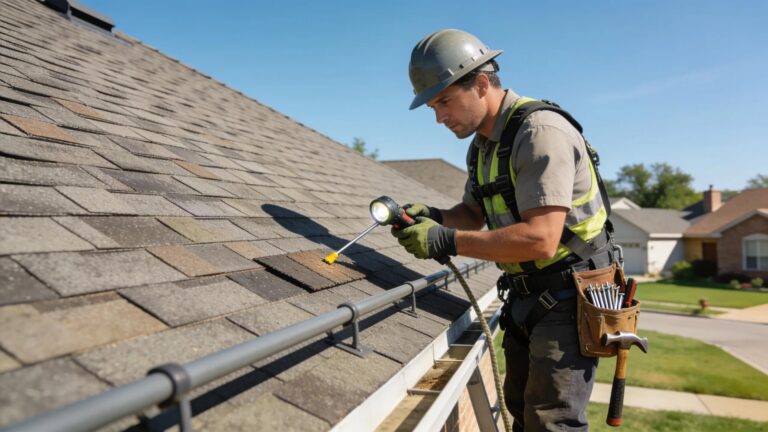
Certified inspectors detect visible and concealed damage, delivering a comprehensive report that guides repair scope and prioritisation. For full-service support, consider the services of Best Roofer Solar, who provide evaluations for residential and commercial properties.
How Does Best Roofer Solar Assist With Roofing Insurance Claims in Dallas?
Best Roofer Solar helps homeowners document damage, prepare claims, and liaise with insurers to clarify scope and costs. Their experience expedites the claims process and helps secure appropriate coverage after storm or accidental damage. Their insurance claim assistance can be a practical resource in urgent situations.
Frequently Asked Questions
What are the major factors to consider when selecting roofing materials?
Select materials based on durability, weight, insulation value, cost, and appearance. Account for local climate—some materials perform better in particular conditions. For example, metal sheds snow easily, while asphalt shingles offer affordability and reliable water resistance in moderate climates. Match material choice to performance needs and budget.
How often should I schedule a professional roof inspection?
Arrange a professional inspection at least once a year and after major weather events such as storms or hail. Also schedule an inspection if you notice signs like water stains, missing shingles, or granule loss. Regular checks extend roof life and reduce the risk of unexpected failures.
Can I perform my own roof inspections, and if so, what should I look for?
Homeowners can carry out basic visual checks: look for missing or curling shingles, granules in gutters, and visible cracks. Inspect eaves and attic spaces for water stains or mould. A DIY review helps catch issues early, but use professional inspections for comprehensive assessments.
What is the best time of year to replace a roof?
Late spring through early fall is typically best for roof replacement due to drier, milder conditions that support efficient installation. Emergency replacements can occur at any time if damage demands immediate action. Consult local professionals for season-specific recommendations in your area.
How can I improve my roof’s energy efficiency?
Improve efficiency with reflective roofing materials, better ventilation, and proper insulation. Seal seams and flashing to prevent air leakage. Installing solar panels can further reduce energy costs. A professional assessment will identify the most effective measures for your roof.
How does roof maintenance affect home insurance premiums?
Insurers may offer lower premiums or avoid penalties for well-maintained roofs because these are less likely to suffer claimable damage. Regular inspections and timely repairs demonstrate responsible ownership and can influence underwriting decisions and discounts. Discuss maintenance with your insurer to confirm potential benefits.
Conclusion
Consistent monitoring and timely action preserve your roof’s function and your home’s safety. Early detection limits repair costs and protects property value. Contact a qualified roof inspector for a detailed evaluation and explore our services to plan the correct course of action.