10 Essential Questions to Determine the Trustworthiness of Your Roofing Contractor in Dallas-Fort Worth
Verifying a roofing contractor’s trustworthiness is essential to protect your investment. Homeowners and businesses in the Dallas–Fort Worth area often face difficulties when assessing contractors. Asking the right questions helps you hire qualified professionals who follow industry standards and minimise risk. This article lists ten focused questions about licensing, insurance, client experience, contract terms, and emergency response to guide your evaluation.
Addressing these topics gives you a clearer picture of each contractor’s integrity and competency. The following sections explain how to confirm licenses and insurance, assess references, review contracts and warranties, and evaluate a contractor’s effectiveness with insurance claims — all key factors in making a well-informed decision.
How Can You Verify Roofing Contractor Licensing and Insurance in Texas?
Confirming a contractor’s licence and insurance is a primary step to ensure they operate legally and responsibly in Texas. Request proof of licence and validate it with the relevant state regulator. Also obtain copies of liability and workers’ compensation insurance documents so you are protected from liabilities related to accidents or property damage during the project.
For those seeking a reputable roofing service, contact Best Roofer Solar General Contractors for a free inspection or quote to confirm the company meets legal and professional requirements.
What Are the Texas Roofing Contractor Licensing Requirements You Should Check?
When hiring a roofing contractor in Texas, verify they hold the appropriate licences and insurance. Ensure they maintain workers’ compensation and general liability coverage. Manufacturer recognitions, such as endorsements from well-known suppliers, can further indicate professionalism and training.
Here are key licensing requirements to look for:
- License Verification: Ensure the contractor holds a valid roofing license.
- Insurance Coverage: Confirm that they possess liability and workers’ compensation insurance.
- Manufacturer Credibility: Look for partnerships with recognized roofing material manufacturers.
- Local Compliance: Make sure they comply with local regulations and codes.
How to Confirm a Contractor’s Insurance Coverage and Liability Protection?
Confirming insurance coverage is a critical part of due diligence. Ask for policy documents and verify coverage directly with the insurance carrier to ensure policies are current and adequate for the scope of work.
- Request Documentation: Ask the contractor for copies of their insurance policies.
- Contact Insurance Providers: Directly reach out to the insurance companies to validate the coverage and ensure it is current.
- Verify Coverage Type: Ensure they have both liability insurance and workers’ compensation insurance.
Knowing the exact types and limits of a contractor’s insurance protects both parties and reduces exposure to unexpected costs if incidents occur on site.
What Are the Best Ways to Check Roofing Contractor Reviews and References in Dallas-Fort Worth?

Review and reference checks provide practical evidence of a contractor’s quality and reliability. Consult established online platforms such as Google Reviews, Yelp, or Angi and request local references to hear about recent project outcomes and client satisfaction.
Key methods for evaluating contractor reviews include:
- Online Research: Utilize credible review platforms to gauge customer satisfaction.
- Word-of-Mouth Recommendations: Speak to friends or family to obtain recommendations based on their experiences.
- Feedback Analysis: Analyze how contractors respond to negative feedback and their resolution strategies.
Thorough review analysis helps you compare contractors objectively and reduces the likelihood of unexpected issues during the project.
Which Questions Should You Ask When Contacting Past Roofing Clients?
Contacting former clients yields direct insight into a contractor’s performance. Ask focused questions about workmanship, timelines, and aftercare to evaluate whether the contractor met expectations and honoured warranties.
- Quality of Work: How satisfied were you with the quality of the roofing work performed?
- Communication: How well did the contractor communicate with you throughout the project?
- Follow-Up Services: Were they responsive to any follow-up questions or warranty requests after the job was completed?
Collecting detailed responses from past clients clarifies a contractor’s strengths and any recurring concerns you should consider.
How Do Verified Reviews and Accreditation Impact Contractor Reliability?
Verified reviews and formal accreditations contribute significantly to a contractor’s credibility. Positive, authenticated feedback and industry accreditations signal consistent performance and adherence to professional standards.
Consider the following impacts:
- Customer Feedback Influence: Verified customer reviews offer insights into actual experiences working with the contractor.
- Accreditation Trustworthiness: Accreditation from industry organizations demonstrates a commitment to quality and ethical business practices.
- Reputation Management: Contractors who actively manage their online feedback enhance their trustworthiness.
These factors help you assess reliability objectively and reduce uncertainty when selecting a contractor.
How Can You Evaluate Roofing Contractor Contracts and Warranty Terms Before Hiring?
Careful review of contracts and warranties is essential to avoid costly misunderstandings. Ensure the contract specifies the full scope of work, payment terms, timelines, and warranty coverage so expectations are clear from the outset.
Key points to review include:
- Scope of Work: Ensure the contract clearly outlines the work to be performed.
- Payment Terms: Understand the payment schedule and what is included.
- Warranty Details: Pay close attention to the warranty terms and coverage duration.
Reading these documents thoroughly protects your investment and establishes clear recourse if work falls short of agreed standards.
What Key Contract Clauses Should You Look for in Roofing Agreements?
When reviewing roofing agreements, prioritise clauses that define responsibilities and protect your interests. Clear language on deliverables, timeframes, pricing adjustments, and liability limits reduces the risk of disputes.
Important clauses to examine include:
- Scope of Work: Clearly defined work specifications prevent misunderstandings.
- Timeline: Understand the project timeline to hold the contractor accountable.
- Change Orders: Review how changes to the scope will be addressed and priced.
- Liability Clauses: Look for clear limitations on liability for both parties.
Clarity in contract terms supports smoother project execution and provides a basis for accountability if issues arise.
How Do Warranty Periods and Coverage Affect Long-Term Roofing Reliability?
Warranties are a key element of long-term roofing reliability. They define the contractor’s obligations after completion and indicate the expected lifespan and support for both workmanship and materials.
Different types of warranties to consider include:
- Labor Warranties: Cover the quality of work performed by the contractor for a specified period.
- Materials Warranties: Provided by manufacturers, these cover defects in materials used.
- Transferable Warranties: Ensure that benefits can be transferred to future homeowners, maintaining property value.
Assess warranty terms carefully to understand long-term coverage, limits, and any conditions that could affect future claims.
Why Is Insurance Claim Assistance an Important Factor in Roofing Contractor Trustworthiness?
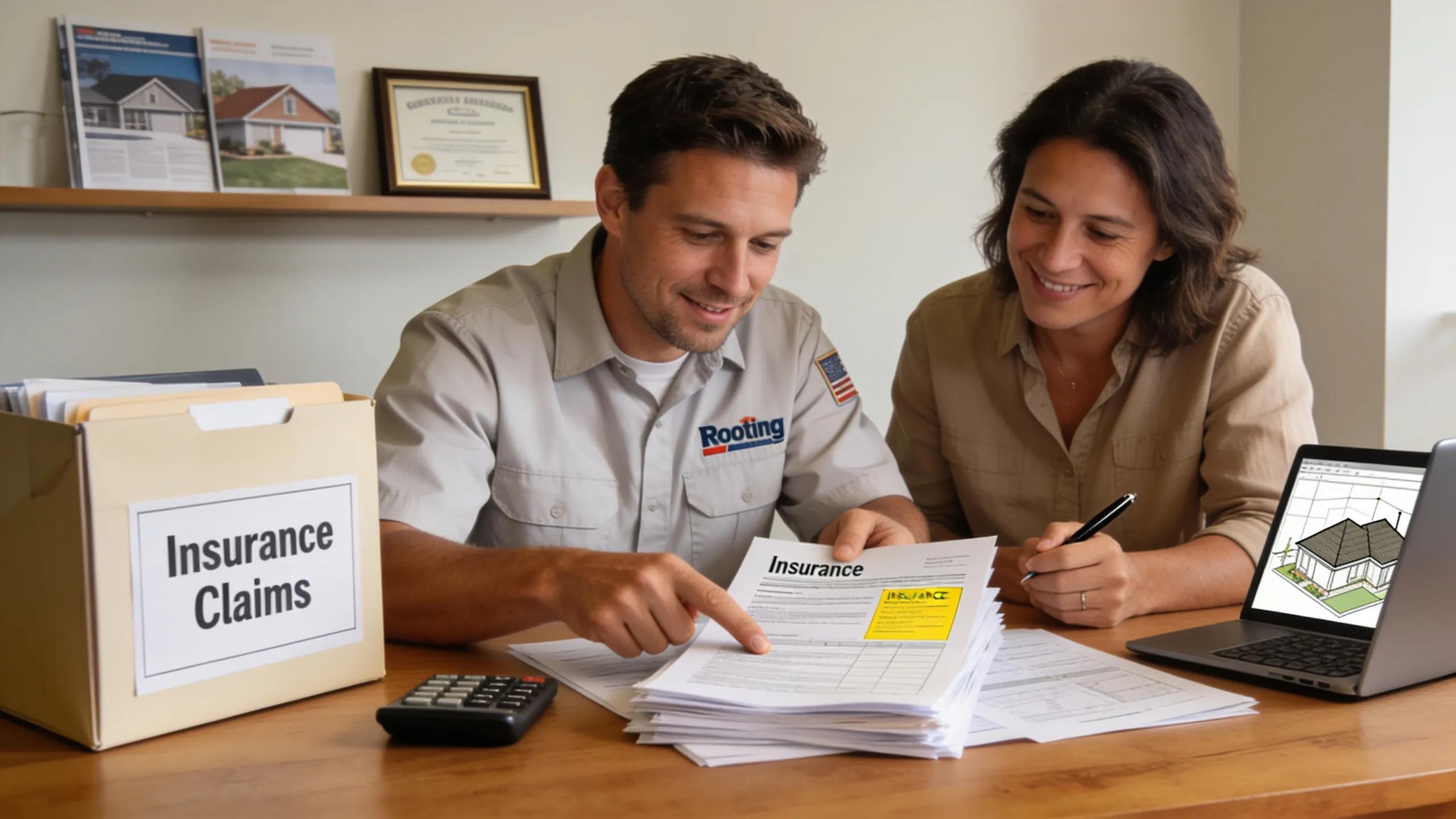
A contractor’s ability to assist with insurance claims is a practical measure of their professionalism. Effective assistance can simplify the process and help ensure claims reflect the full scope of necessary repairs. Understanding how a contractor provides insurance claim assistance can reduce stress during repair or replacement.
Consider the following benefits:
- Streamlined Process: A contractor knowledgeable about the claims process can help expedite approvals.
- Enhanced Customer Confidence: Knowing you have support in navigating claims fosters trust.
- Prevention of Underpayment: Reliable contractors can help ensure that all damages are accurately assessed during claims.
Working with a contractor who provides clear, knowledgeable claim support reduces administrative burden and increases the likelihood of a fair settlement.
How Does a Contractor’s Support Simplify the Roofing Insurance Claim Process?
The insurance claim process can be complex for homeowners. A contractor who supports documentation, negotiations, and inspections helps protect your interests and ensures claims are properly presented to insurers.
- Documentation Collection: Gathering necessary information and evidence for submission to the insurance company.
- Guidance Through Meetings: Assisting homeowners during discussions and negotiations with insurance adjusters.
- Final Inspections: Performing post-repair inspections to ensure that claims are fulfilled correctly.
This level of support ensures you are not managing the claims process alone and helps align repairs with insurer expectations.
What Are Real Client Cases Demonstrating Effective Insurance Claim Assistance?
Case studies and client examples illustrate how contractors handle claims in practice. They provide concrete evidence of a contractor’s ability to secure approvals and complete work consistent with claim agreements.
Key aspects of effective insurance claim assistance to consider include:
- Success Rates: High percentages of successfully processed claims.
- Client Testimonials: Positive feedback from clients about their experiences during the claims process.
- Transparency: Clear communication regarding the steps taken and expectations set throughout the claim.
Well-documented cases demonstrate the contractor’s practical skill in managing claims and help you evaluate expected outcomes for your project.
What Should You Know About Emergency Roofing Repairs and Contractor Responsiveness?
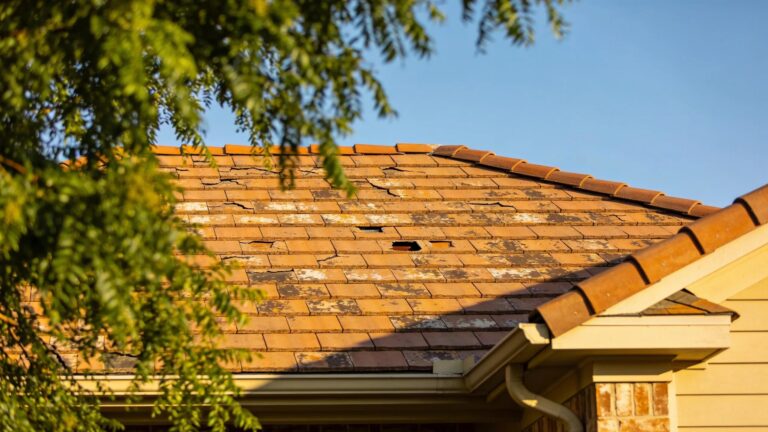
In emergency situations, contractor responsiveness directly affects the extent of damage and the cost of repairs. Prompt, organised action reduces further deterioration and limits related property damage.
Key indications of a trustworthy contractor include:
- Quick Response Times: Trusted contractors typically respond to emergency situations rapidly.
- 24/7 Availability: The ability to reach a contractor after hours indicates preparedness.
- Range of Services: Understanding the contractor’s offerings concerning emergency solutions ensures thorough support.
Selecting a contractor with reliable emergency protocols helps limit damage and restore safety more quickly.
How Quickly Do Trusted Contractors Respond to Roof Damage Emergencies?
Response expectations vary, but reliable contractors follow clear protocols for emergencies. They acknowledge requests quickly and prioritise safety and damage mitigation when scheduling site visits and temporary protections.
- Immediate Contact: Trusted contractors aim to acknowledge emergency requests promptly, often within minutes.
- Timely Arrivals: Dependable contractors typically arrive on-site within a few hours, ready to assess damage.
- Preventative Measures: Emergency professionals should provide temporary solutions to mitigate further damage while awaiting permanent repairs.
Understanding these standards helps you set realistic expectations and choose a contractor who responds effectively to urgent issues.
What Are the Typical Services Included in Emergency Roofing Solutions?
Emergency roofing services should address immediate risks and establish a path to permanent repair. Confirm that the contractor provides inspection, temporary protection, and full repair options to restore the roof properly.
Common services might include:
- Damage Assessment: Thorough inspections to evaluate the extent of damage for accurate repairs.
- Tarping: Temporary roofing solutions to protect vulnerable areas from further weather exposure.
- Final Repairs: Comprehensive repairs to restore the roof to its pre-damage condition.
Work with experienced professionals who offer a complete emergency service package. For immediate assistance, consider emergency roofing tarping and repairs service.
How to Assess Solar Roofing Qualifications as Part of a Roofing Contractor’s Trustworthiness?
Solar roofing adds technical complexity that requires specific qualifications. When a contractor offers both roofing and solar services, confirm their credentials, training, and relevant project experience to ensure safe, code-compliant installations. For contractors that specialise in both areas, review their residential roofing and solar project history carefully.
When assessing qualifications, consider:
- Licensing and Certifications: Confirm that the contractor is licensed specifically in solar installations.
- Experience: Evaluate their history regarding solar roofing implementations and customer satisfaction rates.
- Warranty and Support Options: Look for comprehensive warranty coverage for both the installation and the materials used.
Thorough evaluation of these qualifications reduces risk and helps ensure a successful solar roofing outcome that delivers long-term benefits to your home.
Frequently Asked Questions
What signs indicate a roofing contractor’s reliability?
Reliability is evident through consistent responsiveness, transparent communication, and strong supplier relationships. Reliable contractors provide clear timelines, meet commitments, and supply references and project records that verify their track record.
How do I handle disputes with roofing contractors?
Handle disputes professionally: document all communications, refer to contract terms, and seek direct resolution with the contractor first. If necessary, use mediation or arbitration as outlined in the contract and retain records of all interactions to support your position.
What additional certifications should I look for in roofing contractors?
Beyond licensing, look for industry certifications such as those from the NRCA and safety credentials like OSHA certificates. Manufacturer certifications from GAF or Owens Corning indicate proficiency with specific materials and installation standards.
Are there standard timelines for roofing projects?
Timelines vary by project size, roof type, and weather. A typical residential replacement can take several days to a week; more complex or solar-integrated projects take longer. A reliable contractor will provide an estimated schedule and communicate changes promptly.
What factors affect the cost of roofing services?
Costs depend on materials, roof complexity, size, and regional labour rates. Additional features, such as skylights or structural repairs, will increase the estimate. Reputable contractors provide itemised quotes so you understand what the price covers.
Can I perform my roof inspection before hiring a contractor?
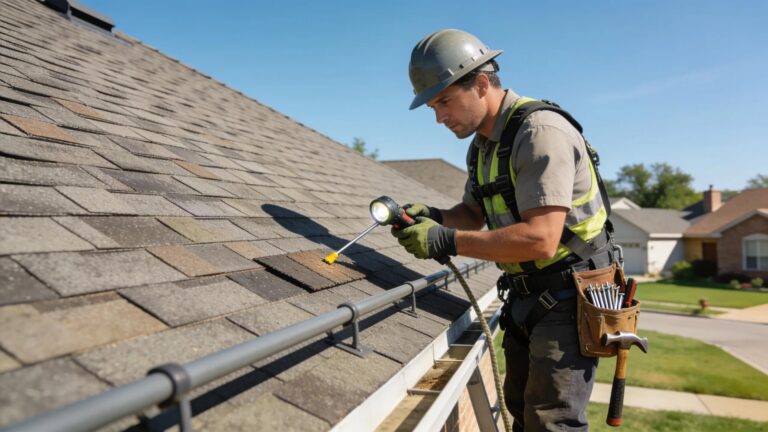
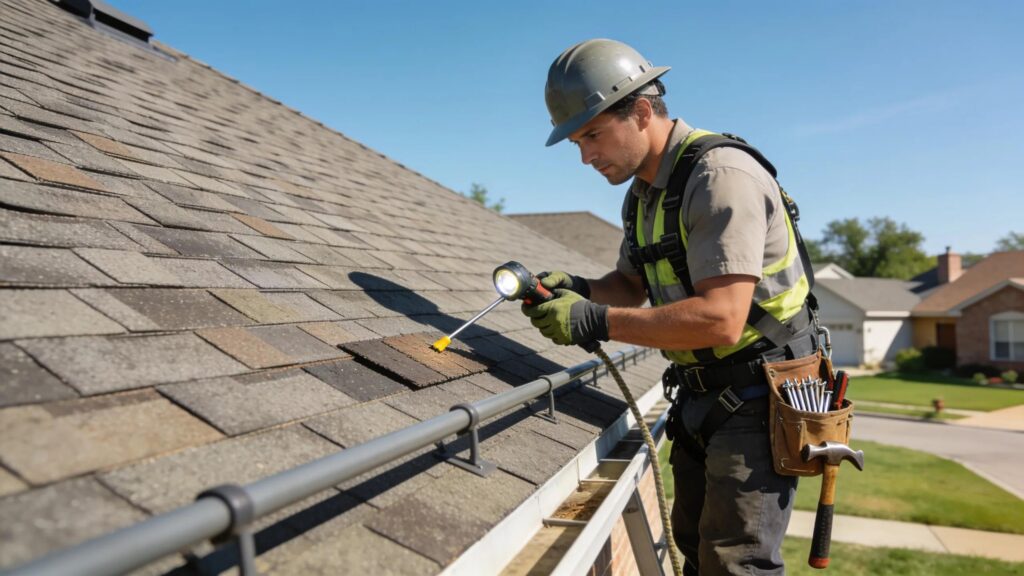
A preliminary visual check is useful to identify obvious issues like missing shingles or leaks, but a professional inspection is recommended to detect hidden damage. Qualified inspectors have the tools and expertise to assess structural and material concerns accurately.
Conclusion
Asking targeted questions and conducting thorough verification enables homeowners to choose trustworthy roofing contractors in the Dallas–Fort Worth area. Confirm licences, insurance, responsiveness, and warranty terms to protect your property and investment. For further guidance and to connect with experienced professionals, review our resources and request a consultation or quote to begin the process.