Understanding Ponding Water on a Flat Roof
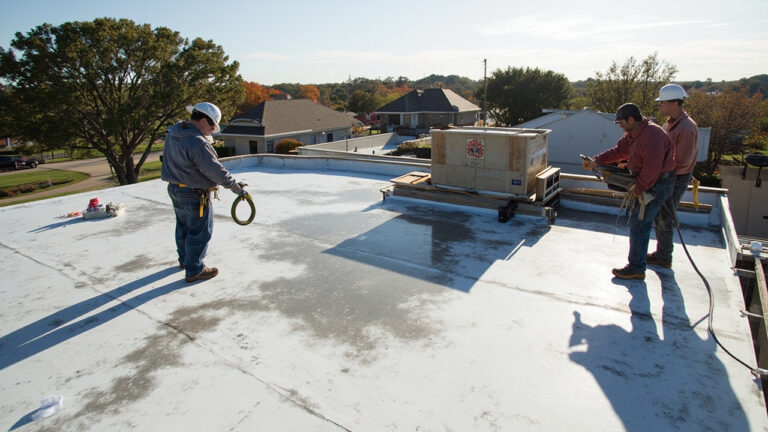
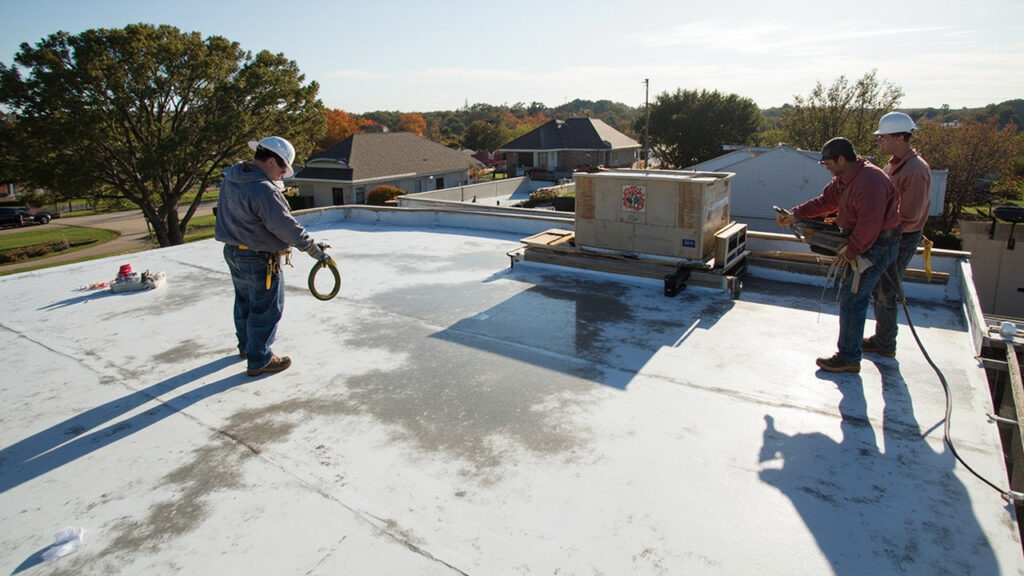
For commercial property owners in the Dallas-Fort Worth metroplex, the sight of standing water after a heavy North Texas rainstorm is common. However, when that water remains for more than 48 hours, it is officially classified as ponding water on a flat roof. While flat roofs are never truly “flat”—they are designed with a slight pitch to direct water toward drains—various factors can impede this flow. If you notice large pools of water lingering on your building’s surface long after the clouds have cleared, it is a signal that the drainage system or the structural integrity of the roof requires professional attention. Addressing these issues promptly is the best way to prevent a commercial roof leak in DFW.
Best Roofer Solar specializes in identifying the root causes of these issues through comprehensive physical inspections. In our region, where extreme heat alternates with sudden, intense downpours, the stress placed on commercial roofing materials is significant. Addressing water accumulation early is essential to extending the lifespan of your asset. By documenting the exact locations of water retention and providing detailed technical repair scopes, we help property owners make informed decisions about their facility maintenance. Our team provides the factual data needed to understand the current state of your roofing system.
Common Causes of Flat Roof Drainage Problems
Identifying why water is failing to exit the roof surface is the first step in any remediation plan. Several factors contribute to flat roof drainage problems, ranging from simple maintenance oversights to complex structural shifts. In many DFW commercial buildings, the primary culprit is a lack of routine maintenance. Leaves, dust, and wind-blown debris can easily clog scuppers, internal drains, and gutters. When the exit path is blocked, water backs up across the membrane, creating deep ponds that put immense pressure on the underlying structure.
Beyond simple clogs, structural issues often play a role. Over time, a building may settle, causing the original slope of the roof to shift. This can create “low spots” where water naturally gravitates. Additionally, the installation of heavy HVAC units without proper structural reinforcement can cause the roof deck to sag. If the original design did not include a sufficient taper, even minor depressions can lead to significant water retention. Our team provides the detailed measurements and photographs necessary to pinpoint these depressions, ensuring that any subsequent ponding water roof repair addresses the actual source of the problem rather than just the symptoms. We focus on providing a clear, technical overview of the roof’s geometry and drainage efficiency.
The Risks of Ignoring Standing Water
Allowing water to sit on a commercial roof is a gamble that rarely pays off. The most immediate risk is structural strain. Water is incredibly heavy; just one inch of water weighs approximately five pounds per square foot. On a large commercial expanse, thousands of pounds of unplanned weight can stress the joists and decking. This weight can lead to further sagging, which in turn collects more water—a destructive cycle that can eventually compromise the safety of the entire building. Our inspections include a thorough review of the deck’s condition to identify areas where this weight may be causing visible stress.
Furthermore, ponding water accelerates the degradation of the roofing membrane. Most roofing materials, including TPO, EPDM, and modified bitumen, are designed to shed water, not to be submerged indefinitely. Constant exposure to standing water, combined with the intense Texas sun, creates a “magnifying glass” effect that breaks down the chemical bonds of the membrane. This leads to cracking, blistering, and the eventual development of a commercial roof leak in DFW. Once the membrane is breached, moisture can infiltrate the insulation, leading to mold growth and reduced energy efficiency. Protecting the membrane is the first line of defense for any commercial facility.
Professional Ponding Water Roof Repair Strategies
When our inspectors evaluate a property, we look for the most effective, long-term solutions to restore proper drainage. Depending on the severity of the ponding, several strategies may be recommended. For minor issues caused by surface depressions, the installation of a tapered insulation system is often the best course of action. This involves adding sloped panels beneath a new membrane to artificially create the necessary pitch to move water toward existing drains. This method is highly effective for correcting minor slope deficiencies without requiring a total structural overhaul.
In cases where the drainage infrastructure itself is insufficient, we may recommend the installation of additional roof drains or larger scuppers. For buildings in North Texas, ensuring that the drainage system can handle the volume of a spring supercell is vital. If you have noticed signs of moisture inside your facility, it is important to review common leak and storm damage signs to determine if the ponding has already caused internal damage. Our role is to provide the technical repair documentation and high-quality construction services needed to return your roof to a dry, functional state. We ensure that every repair is backed by accurate measurements and professional craftsmanship.
The Importance of Regular Inspections
Proactive management is the key to avoiding the high costs associated with emergency repairs. A professional commercial roofing inspection should be performed at least twice a year—ideally in the spring and fall—to ensure drains are clear and the membrane is intact. During these visits, Best Roofer Solar provides property owners with a clear picture of their roof’s health, including high-resolution photographs of any areas where water is beginning to collect. This documentation serves as a historical record of the roof’s performance over time.
By catching drainage issues in their infancy, you can often avoid a full roof replacement. Simple fixes, such as clearing debris or repairing a small patch of degraded membrane, are far more cost-effective than dealing with a collapsed deck or extensive mold remediation. Our team is committed to providing factual, transparent documentation that helps DFW business owners protect their investments against the unique challenges of the North Texas climate. We focus on the structural and functional integrity of your roof to ensure long-term reliability.
Frequently Asked Questions
How long can water sit on a flat roof before it is a problem?
Water is considered “ponding” if it remains on the roof surface for more than 48 hours without evaporating or draining. If you see standing water long after a rain event has ended, it indicates a drainage or structural issue that requires a professional inspection to prevent membrane damage and structural fatigue.
Can ponding water cause a roof to collapse?
Yes, significant water accumulation adds immense weight to the roof structure. If the roof deck is already weakened or if the volume of water exceeds the load-bearing capacity of the building’s joists, it can lead to structural sagging or, in extreme cases, a partial or total collapse. Regular inspections help identify these risks before they become critical.
What is the best way to fix ponding water on an existing roof?
The most common solutions include installing tapered insulation to create a slope, adding new drains or scuppers, or using specialized leveling compounds to fill in low spots. The correct approach depends on a physical assessment of the roof’s structure and the current drainage layout to ensure water is moved efficiently off the surface.
If you are concerned about standing water or suspect a leak in your commercial facility, contact Best Roofer Solar today. We provide expert inspections and factual documentation to help you maintain a secure, dry property. Call us at 682-688-7727 to schedule your FREE property and roof inspection.