Proactive Protection Against Storm Damage Roof North Texas Risks
Living in the Dallas-Fort Worth Metroplex means being intimately familiar with the volatility of the local weather. From the arrival of the spring dry line to the sudden thunderstorms of late autumn, homeowners must remain vigilant. Taking steps to mitigate potential storm damage roof North Texas issues is not just about maintenance; it is about preserving the structural integrity of your largest investment. When severe weather strikes, the velocity of the wind and the size of the hail can test even the most durable roofing systems. By following a structured preparation plan, you can identify vulnerabilities before they turn into costly leaks or structural failures.
At Best Roofer Solar, we understand that the best defense is a proactive offense. While we cannot control the weather, we can ensure that your roofing system is in its best possible condition to withstand the elements. This guide provides a comprehensive checklist designed specifically for the unique climate challenges found in North Texas, focusing on documentation, maintenance, and professional oversight. Our team provides the technical data and construction expertise necessary to keep your property secure throughout the year.
The Essential Storm Preparation Roof Checklist
Effective storm preparation roof strategies begin long before the first dark clouds appear on the horizon. High winds can catch loose shingles, and heavy rain can find its way into the smallest cracks. Here are the primary areas every North Texas homeowner should address:
- Clear the Gutters and Downspouts: When water cannot flow freely off your roof, it backs up under the shingles or into the fascia boards. This leads to rot and interior water damage. Ensure all debris is removed so your drainage system can handle heavy North Texas downpours.
- Trim Overhanging Branches: In a high-wind event, heavy tree limbs act like hammers against your roof. Keep branches trimmed at least 10 feet away from the roofline to prevent impact damage and to stop squirrels from accessing your attic.
- Secure Loose Flashings: Flashings around chimneys, vents, and valleys are the most common points of failure. If these metal components are loose or the sealant is cracked, they will not stand up to driving rain.
- Inspect the Perimeter: Walk around your home and look for any shingles that appear lifted, curled, or missing. Addressing these minor issues now prevents them from becoming major points of entry for water during a storm.
Identifying Potential Hail Damage Roof Indicators
Hail is perhaps the most frequent cause of property loss in the DFW area. Even small stones can strip the protective granules from asphalt shingles, leaving the underlying bitumen exposed to the sun’s UV rays. Over time, this leads to the shingle becoming brittle and failing. If you suspect your property has been hit, it is important to know what Southlake homeowners should check after a hailstorm to identify subtle signs of impact.
A hail damage roof assessment often reveals “bruising” on the shingles—soft spots where the reinforcement mat has been fractured. Other signs include dented metal vents, cracked skylights, or heavy granule accumulation in your gutters. Because these signs are often invisible from the ground, a professional inspection is the safest way to determine the extent of the impact. Our technicians use specialized tools to document these impacts, providing you with a clear picture of the roof’s health.
The Importance of a Professional Roof Inspection After Storm Events
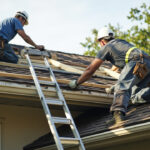
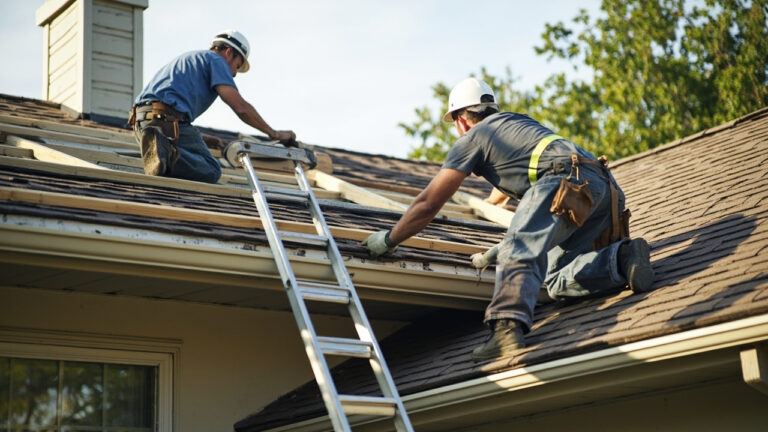
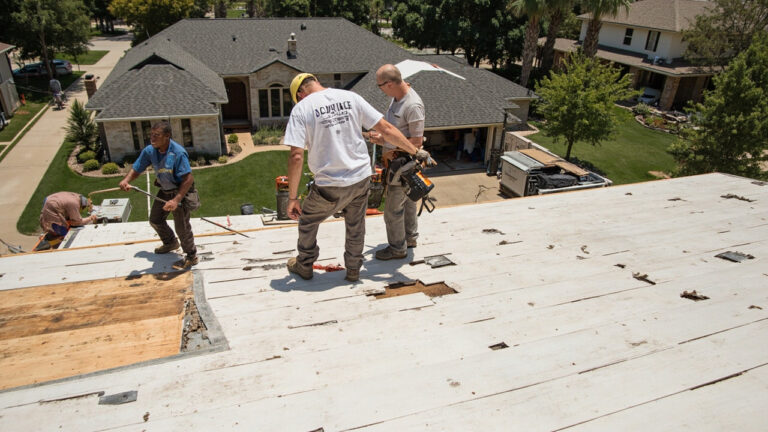
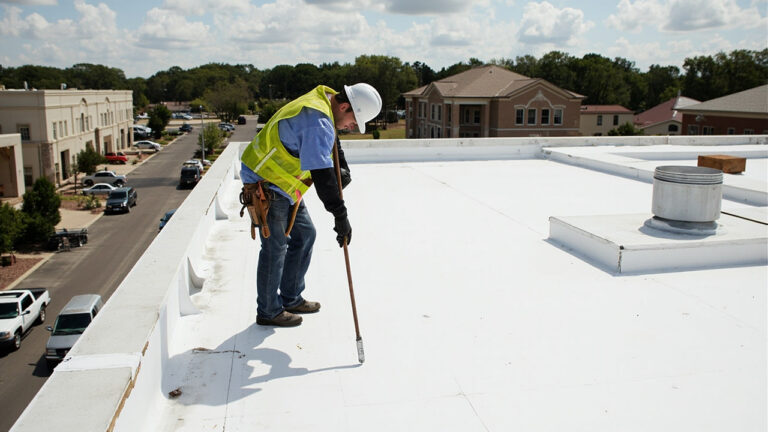
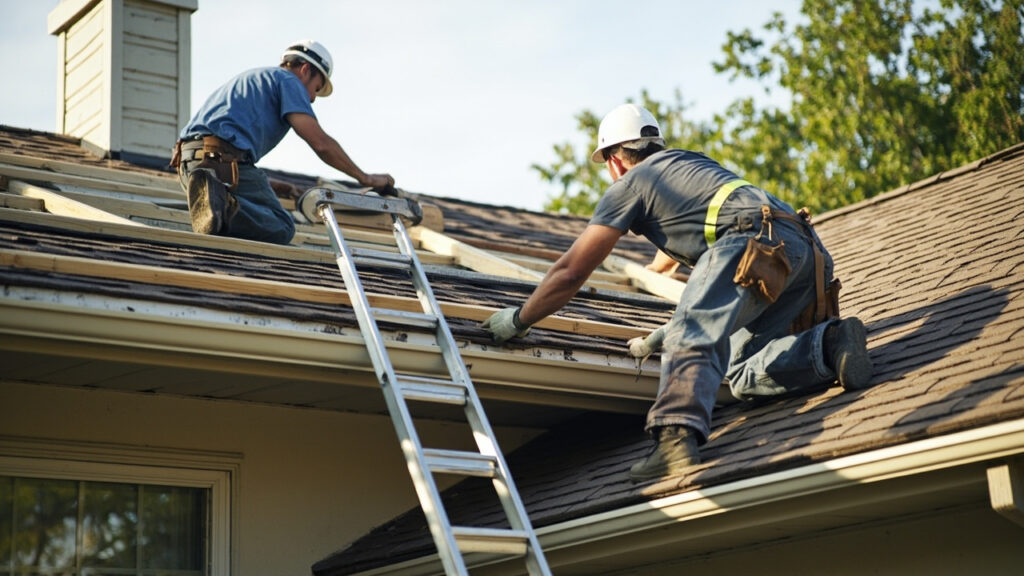
Once a severe weather system passes, the immediate concern is whether the roof’s integrity has been compromised. A thorough roof inspection after storm activity is critical for long-term protection. At Best Roofer Solar, we provide detailed assessments that go beyond a simple visual check. We provide property owners with high-resolution photographs, precise measurements, and a technical scope of work that documents the exact condition of the roofing system.
This documentation is a vital tool for the homeowner. If you find yourself needing to provide information to your insurance carrier, having a professional set of measurements and a factual repair estimate ensures that the conversation is based on technical data. For those in the western part of the Metroplex, understanding the hail damage roof inspection Fort Worth: documentation guide can help you organize the necessary evidence to support your property’s recovery. We focus on the construction and technical aspects, ensuring your home meets current building codes.
Why Documentation Matters for North Texas Homeowners
In the aftermath of a storm, the DFW area is often flooded with out-of-state contractors. Working with a local, full-service general contractor like Best Roofer Solar ensures that your repairs meet local building codes and are designed for the Texas climate. We focus on providing factual, technical repair information. We provide the inspections, measurements, and repair documentation that an owner may choose to provide to an insurer. This empowers the homeowner with the data they need to make informed decisions about their property.
Our team documents everything from wind-lifted shingles to the specific diameter of hail impacts found on soft metals. This level of detail is essential for ensuring that the full scope of the storm damage roof North Texas event is understood before any shingles are replaced. By maintaining a file of your roof’s condition before and after a storm, you create a clear history of maintenance and care that protects your property value. If your project requires it, we can also detach and reset existing solar panels to ensure the roofing work is completed thoroughly.
Frequently Asked Questions
How do I know if my roof has storm damage if it isn’t leaking?
Many types of storm damage, particularly hail impacts and wind uplift, do not cause immediate leaks. Hail fractures the internal mat of the shingle, which may take months or even years to eventually deteriorate into a leak. Wind can lift the adhesive seal of a shingle without blowing it off completely, allowing wind-driven rain to enter during the next storm. A professional inspection can identify these issues before they cause interior damage.
What should I do if I find shingles in my yard after a high-wind event?
If you find shingles or pieces of roofing material on the ground, your roof has likely suffered significant wind damage. This indicates that the fastening system has failed or the wind speeds exceeded the roof’s rating. You should cover any exposed areas with a temporary tarp to prevent water entry and schedule a professional inspection immediately to assess the remaining shingles for hidden uplift and structural integrity.
Can I perform my own storm damage inspection?
While a ground-level visual check is a good first step, we strongly advise against homeowners climbing onto their roofs, especially after a storm. Roofs can be slippery, and structural damage may have made certain areas unstable. Furthermore, many signs of damage are subtle and require professional training to identify. It is safer and more effective to have a professional provide a documented inspection with photos and measurements to ensure nothing is missed.
Schedule Your FREE Property and Roof Inspection
Don’t wait for a leak to tell you that your roof has been compromised. Whether you are preparing for the upcoming season or need a comprehensive roof inspection after storm activity, Best Roofer Solar is here to provide the technical expertise you need. We offer detailed inspections, factual documentation, and high-quality repair services for homeowners throughout the Dallas-Fort Worth area. Contact us today to ensure your home is ready for whatever the North Texas sky delivers.
Call Best Roofer Solar at 682-688-7727 or visit our storm damage remediation page to schedule your FREE property and roof inspection today.