As a homeowner, you need a clear understanding of your roof’s condition to protect your property’s structure. Roofs endure weather-related wear that accumulates over time. This guide explains the signs that indicate repair or replacement so you can act before minor issues become major expenses. It covers common warning signs, assessment methods, and when to contact a professional roofer.
Comprehensive Guide for Homeowners on Roof Repair or Replacement
Routine roof care is a key part of homeownership. Regular inspections and prompt repairs extend service life and reduce the risk of major failures. Be alert for leaks, missing shingles, and structural damage; addressing these preserves safety and home value. Professional inspections provide an objective assessment and greater confidence in your roof’s condition.
Signs Your Roof Needs Repair or Replacement

Spotting roof problems early prevents escalation. Watch for clear indicators that signal repair or replacement may be needed and act promptly to limit damage.
- Discoloration on Ceilings or Walls: Stains or discoloration can indicate water damage from leaks.
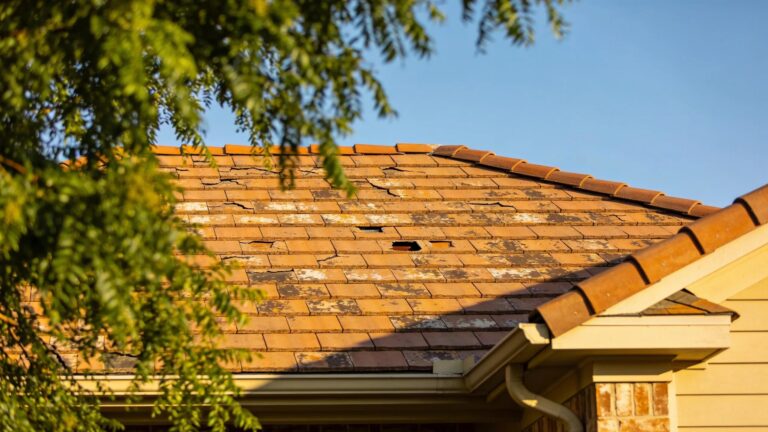
- Missing or Broken Shingles: Shingles that are cracked, curled, or missing can compromise your roof’s integrity.
- Granules in Gutters: The presence of granules in your gutters can signify that your shingles are deteriorating.
Monitor these indicators closely; delaying repairs increases the scope and cost of work needed.
What Are the Most Common Signs Your Roof Needs Repair?
Key indicators that your roof may need repair include visible damage, signs of water intrusion, and the roof’s age. Each of these helps determine whether a targeted repair or a larger intervention is appropriate.
- Visible Damage: Look for missing or broken shingles, which can expose your roof to the elements.
- Water Damage Indicators: Discoloration on ceilings or walls often points to leaks that need immediate attention.
- Age of the Roof: If your roof is nearing the end of its expected lifespan, it may be time to consider replacement.
Visible Damage
Visible damage is often the first sign of a problem. Missing, cracked, or curled shingles expose underlayment and raise leak risk. Granules in gutters indicate shingle wear. Addressing visible issues promptly prevents larger repairs later.
Water Damage Indicators
Water damage can lead to mold growth and structural decline. Look for ceiling or wall discoloration and signs of mildew in the attic. Investigate any indicators quickly to locate and repair leaks before they spread.
Age of the Roof
Roof age is a major factor in condition assessment. Most roofs last 20 to 30 years depending on materials and installation quality. If your roof approaches that range and shows other signs of wear, consider scheduling a replacement evaluation.
Methods for Assessing Roof Damage
Assessing roof damage combines homeowner visual checks with professional evaluation. Perform routine exterior and attic inspections, but engage a qualified roofer for hidden or structural issues.
- Visual Inspection Methods: Regularly inspect your roof for visible signs of damage, such as missing shingles or sagging areas.
- Attic Inspection Techniques: Check your attic for signs of leaks or water damage, which can indicate roof issues.
- Professional Assessment Importance: Hiring a professional can provide a comprehensive evaluation and identify hidden problems.
Key Inspection Techniques
Adopt a consistent inspection routine: scheduled checks, post-storm reviews, and professional evaluations. These techniques catch damage early and inform timely repair or replacement decisions.
- Routine Inspections: Schedule regular inspections, especially after severe weather events.
- Post-Storm Checks: Inspect your roof for damage after storms, as high winds and hail can cause significant issues.
- Professional Inspections: Consider hiring a professional roofer for a thorough evaluation, particularly if you suspect damage.
Common Warning Signs to Look For
Be aware of warning signs that warrant action: water stains, a sagging roofline, or rising energy bills. Recognising these early reduces the chance of extensive repairs.
- Water Stains: Look for water stains on ceilings or walls, which can indicate leaks.
- Sagging Roofline: A sagging roofline may suggest structural issues that require immediate attention.
- Increased Energy Bills: If your energy bills are rising, it may be due to poor insulation or ventilation caused by roof damage.
When to Call a Roofer
Call a professional when you detect significant leaks, structural concerns, or damage beyond routine DIY repairs. A qualified roofer can diagnose the issue and recommend the safest, most cost-effective solution.
- Signs That Require Immediate Attention: If you notice significant leaks or structural issues, contact a roofer immediately.
- Importance of Professional Evaluation: A professional can provide a thorough assessment and recommend necessary repairs or replacements.
- Preventing Further Damage: Timely intervention can prevent more extensive damage and costly repairs.
Best Roofer Solar General Contractors offers free inspections to help homeowners assess their roof’s condition. Engaging with professionals provides peace of mind and helps keep your roof in good repair.
Potential Causes of Damage
Common causes of roof damage include severe weather, inadequate maintenance, and material degradation. Understanding these factors helps you prioritise preventive measures.
- Weather Conditions: Severe weather, such as storms and high winds, can cause significant damage to roofs.
- Poor Maintenance: Neglecting regular inspections and maintenance can lead to deterioration over time.
- Material Degradation: Over time, roofing materials can degrade, leading to leaks and structural issues.
Recommended Actions for Homeowners
Take proactive steps: schedule routine inspections, address damage promptly, and seek professional evaluations after severe weather to limit long-term costs.
- Regular Inspections: Schedule routine inspections to catch potential issues early.
- Immediate Repairs: Address any signs of damage promptly to prevent further deterioration.
- Professional Evaluations: Consider hiring a professional for comprehensive assessments, especially after severe weather.
How to Identify Missing or Damaged Shingles on Your Roof
Identify missing or damaged shingles through regular visual checks and safe close inspections. Use a ladder with proper precautions and monitor gutters for excess granules as a sign of wear.
- Visual Inspection Techniques: Regularly check your roof for visible signs of damage.
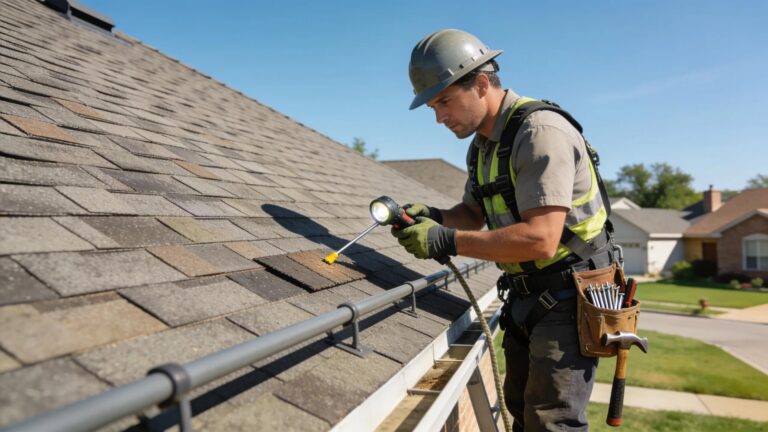
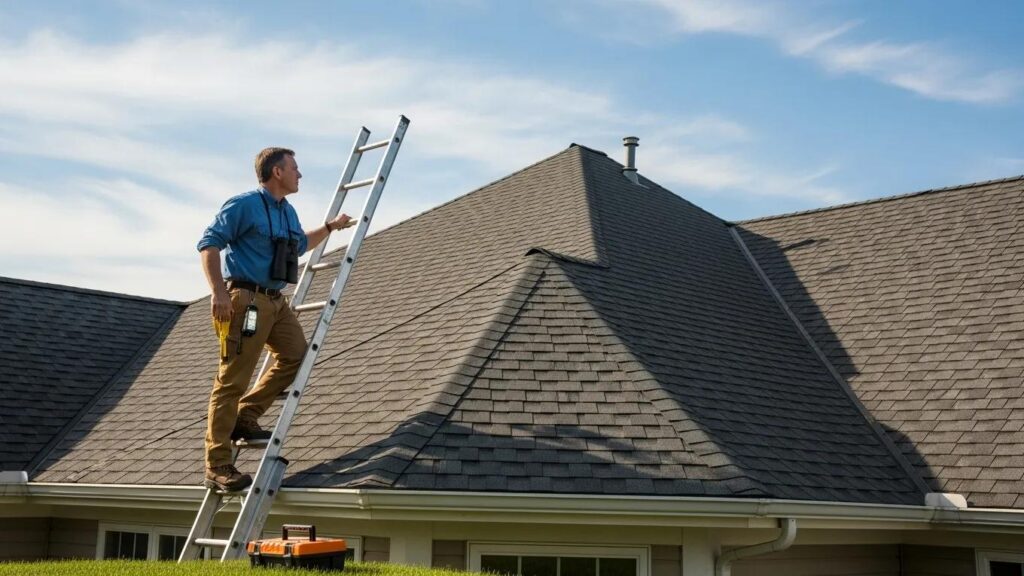
- Use of Ladders for Close Inspection: Safely use a ladder to inspect shingles closely, looking for cracks or curling.
- Signs of Shingle Wear: Be aware of granules in gutters, which can indicate shingle deterioration.
What Do Water Stains and Roof Leaks Indicate About Roof Health?
Water stains and leaks indicate breaches in the roof system that require prompt attention. Left unaddressed, leaks can cause structural deterioration and mould growth; prompt repairs limit those risks and future costs.
- Indications of Leaks: Water stains often signify leaks that need immediate attention.
- Structural Concerns: Prolonged leaks can lead to significant structural issues, including mold growth.
- Repair Solutions: Addressing leaks promptly can prevent further damage and costly repairs.
When Should You Consider Roof Replacement Instead of Repair?
Consider replacement rather than repair when you face multiple leaks, extensive damage, or when the roof is near the end of its expected lifespan. Replacement can be more economical than repeated repairs in these cases.
- Multiple Leaks: If your roof has multiple leaks, it may be more cost-effective to replace it.
- Extensive Damage: Significant damage may warrant a full replacement rather than piecemeal repairs.
- Age of the Roof: If your roof is nearing the end of its lifespan, replacement may be the best option.
What Are the Key Roof Replacement Indicators Every Homeowner Should Know?
Key indicators for replacement include widespread, irreparable damage; a history of frequent repairs; and reduced energy performance. These factors point to replacement as the more practical long-term choice.
- Visible Damage: Look for extensive visible damage that cannot be repaired effectively.
- Frequent Repairs: If you find yourself frequently repairing your roof, it may be time for a replacement.
- Energy Efficiency Issues: Rising energy bills can indicate that your roof is no longer providing adequate insulation.
How Does Roof Age and Material Affect Replacement Decisions?
Roof material and age determine expected lifespan and influence replacement timing. Compare lifespans and costs for different materials to plan replacement that balances durability and budget.
- Lifespan of Different Materials: Different roofing materials have varying lifespans, affecting replacement timing.
- Cost Considerations: The cost of replacement can vary based on the material chosen.
- Replacement Timing: Understanding when to replace based on age and material can save money in the long run.
How to Perform a Thorough Roof Inspection: A Homeowner’s Checklist

Use a clear checklist when inspecting your roof: check exterior surfaces, examine the attic for leaks, and use binoculars, ladders, and a flashlight to confirm visible concerns like missing shingles, stains, or sagging.
- Exterior and Interior Inspection: Check both the exterior and interior of your roof for signs of damage.
- Tools Needed for Inspection: Use binoculars, ladders, and flashlights to aid in your inspection.
- Signs of Damage to Look For: Be vigilant for missing shingles, water stains, and sagging areas.
What Steps Are Included in a Comprehensive Roof Damage Assessment?
A full roof damage assessment includes visual and structural checks, a professional evaluation when needed, and documentation of findings to inform repair or replacement decisions and any insurance claims.
- Visual and Structural Assessments: Conduct both visual and structural assessments to identify issues.
- Professional Evaluation Importance: Engaging a professional can provide a thorough evaluation and recommendations.
- Documentation of Findings: Keep records of any damage found for future reference.
When Is It Time to Request a Professional Roof Inspection in Dallas-Fort Worth?
In Dallas–Fort Worth, request a professional inspection when you notice damage, after severe weather, or on a routine schedule. Local weather can produce issues that a trained inspector will identify quickly.
- Signs Indicating Need for Inspection: If you notice any signs of damage, contact a professional.
- Frequency of Inspections: Regular inspections are essential, especially after severe weather.
- Post-Storm Checks: Always inspect your roof after storms to catch any potential damage early.
What Factors Influence the Decision Between Roof Repair and Replacement?
Decisions depend on repair versus replacement costs, the extent of damage, and roof age. Evaluate short-term expense against long-term value to choose the best option.
- Cost Considerations: Weigh the costs of repairs against the cost of a new roof.
- Extent of Damage: Assess the extent of damage to determine the best course of action.
- Roof Age: Consider the age of your roof when making your decision.
How Do Severity and Extent of Damage Affect Repair vs Replacement?
Localized damage is often repairable; extensive or structural damage typically requires replacement. Factor in long-term energy savings and reduced maintenance when evaluating options.
- Localized vs Extensive Damage: Localized damage may be repairable, while extensive damage may require replacement.
- Cost Implications: Evaluate the cost of repairs versus the long-term benefits of replacement.
- Energy Efficiency Considerations: A new roof may provide better energy efficiency, reducing long-term costs.
What Role Do Cost and Financing Options Play in Roof Maintenance Choices?
Cost and financing affect timing and scope of work. Compare immediate repair expenses with replacement investment and explore financing options to manage cash flow while protecting long-term value.
- Repair Costs vs Replacement Costs: Understand the financial implications of both options.
- Financing Options Available: Explore financing options that may be available for roof repairs or replacements.
- Long-Term Value Considerations: Consider the long-term value of investing in a new roof versus ongoing repairs.
How Can Solar Panel Installation Impact Your Roof Replacement Plans?
Solar installation influences replacement planning. Confirm structural capacity, coordinate timing so panels and roofing work align, and select materials compatible with mounting systems.
- Structural Considerations: Ensure your roof can support the weight of solar panels.
- Timing of Installations: Plan for solar panel installation in conjunction with roof replacement for optimal efficiency.
- Material Compatibility: Choose roofing materials that are compatible with solar panel installations.
What Are the Benefits of Combining Roof Replacement with Solar Panel Installation?
Combining projects can reduce overall costs, improve energy performance with new roofing, and increase your home’s market value. Coordinating both projects avoids rework and delivers long-term benefits.
- Cost Savings: Bundling these projects can lead to significant cost savings.
- Energy Efficiency Improvements: New roofing materials can enhance energy efficiency when paired with solar panels.
- Increased Home Value: Upgrading your roof and adding solar panels can increase your home’s overall value.
How to Ensure Roof Compatibility for Solar Energy Systems?
Ensure compatibility by conducting a thorough roof inspection, selecting suitable roofing materials, and verifying structural integrity to support panel weight and attachment points.
- Roof Inspection Importance: Conduct a thorough inspection to assess your roof’s condition.
- Material Compatibility: Choose roofing materials that are suitable for solar panel installation.
- Structural Integrity Checks: Ensure your roof can support the weight and installation of solar panels.
What Maintenance Tips Can Extend Your Roof’s Lifespan After Repair or Replacement?
Extend roof life with scheduled inspections, regular debris removal, and consistent gutter maintenance to ensure proper drainage and prevent moisture-related damage.
- Regular Inspections: Schedule routine inspections to catch potential issues early.
- Debris Removal: Keep your roof clear of debris to prevent damage.
- Gutter Maintenance: Regularly clean gutters to ensure proper drainage and prevent water damage.
How Regular Inspections and Cleaning Prevent Future Roof Damage?
Routine inspections detect problems early. Clearing debris prevents moisture buildup and rot. Professional inspections offer a thorough evaluation to keep your roof in good condition.
- Early Detection of Issues: Routine inspections can help identify problems before they escalate.
- Debris Removal Benefits: Keeping your roof clear of debris can prevent moisture buildup and damage.
- Professional Inspections: Engage professionals for thorough evaluations to ensure your roof remains in good condition.
What Are Best Practices for Maintaining Roof Integrity in Dallas-Fort Worth’s Climate?
In Dallas–Fort Worth, schedule routine and post-storm inspections and choose materials rated for local weather. These practices reduce the likelihood of climate-related damage.
- Routine Inspections: Schedule regular inspections to catch potential issues early.
- Post-Storm Checks: Inspect your roof after storms to identify any damage.
- Material Considerations: Choose roofing materials that can withstand the local climate conditions.
For comprehensive roof repair or replacement services, Best Roofer Solar General Contractors is a trusted choice. They offer free inspections to help homeowners assess their roof’s condition and provide expert guidance on necessary repairs or replacements, ensuring your home is protected and your investment is maintained. Engaging with professionals for a thorough roof assessment provides peace of mind and ensures optimal roof condition.
Frequently Asked Questions
1. How often should I inspect my roof for damage?
Inspect your roof at least twice a year, typically in spring and fall, and always after severe weather. Regular checks let you identify issues early and arrange timely repairs that extend roof life.
2. What should I do if I find a leak in my roof?
If you find a leak, contain the water with a bucket to limit interior damage, inspect the area for visible signs such as missing shingles or stains, and contact a professional roofer to assess and repair the source.
3. Can I perform roof repairs myself, or should I hire a professional?
Minor tasks like replacing a few shingles can be done by experienced homeowners using proper safety measures. For significant repairs, structural concerns, or full inspections, hire a professional. Contractors identify hidden issues and often provide warranties on their work.
4. What are the benefits of regular roof maintenance?
Regular maintenance extends your roof’s lifespan, prevents costly repairs, and supports energy efficiency. Addressing minor issues promptly protects your home’s value and reduces long-term expenses.
5. How do I choose the right roofing material for my home?
Choose roofing material based on your budget, local climate, and desired appearance. Asphalt, metal, tile, and slate each offer different lifespans and maintenance needs. Consult a professional for recommendations tailored to your property.
6. What are the signs that my roof is nearing the end of its lifespan?
Signs your roof may be near the end of its service life include widespread visible damage, frequent leaks, significant granule loss in gutters, and an age of roughly 20–30 years depending on the material. Regular inspections help confirm replacement timing.
7. How can I improve my roof’s energy efficiency?
Improve energy efficiency by installing reflective roofing materials, ensuring proper attic insulation and ventilation, and keeping gutters and roof surfaces clear of debris. These steps reduce heat gain and lower energy costs.
Conclusion
Recognising the signs that your roof needs repair or replacement protects your home and investment. Address leaks, missing shingles, and water damage promptly to extend roof life and preserve property value. Schedule a professional inspection to confirm your roof’s condition and next steps. Contact Best Roofer Solar General Contractors for expert guidance and a free inspection.