Spot the Signs: Does Your Roof Need Repair or Replacement?
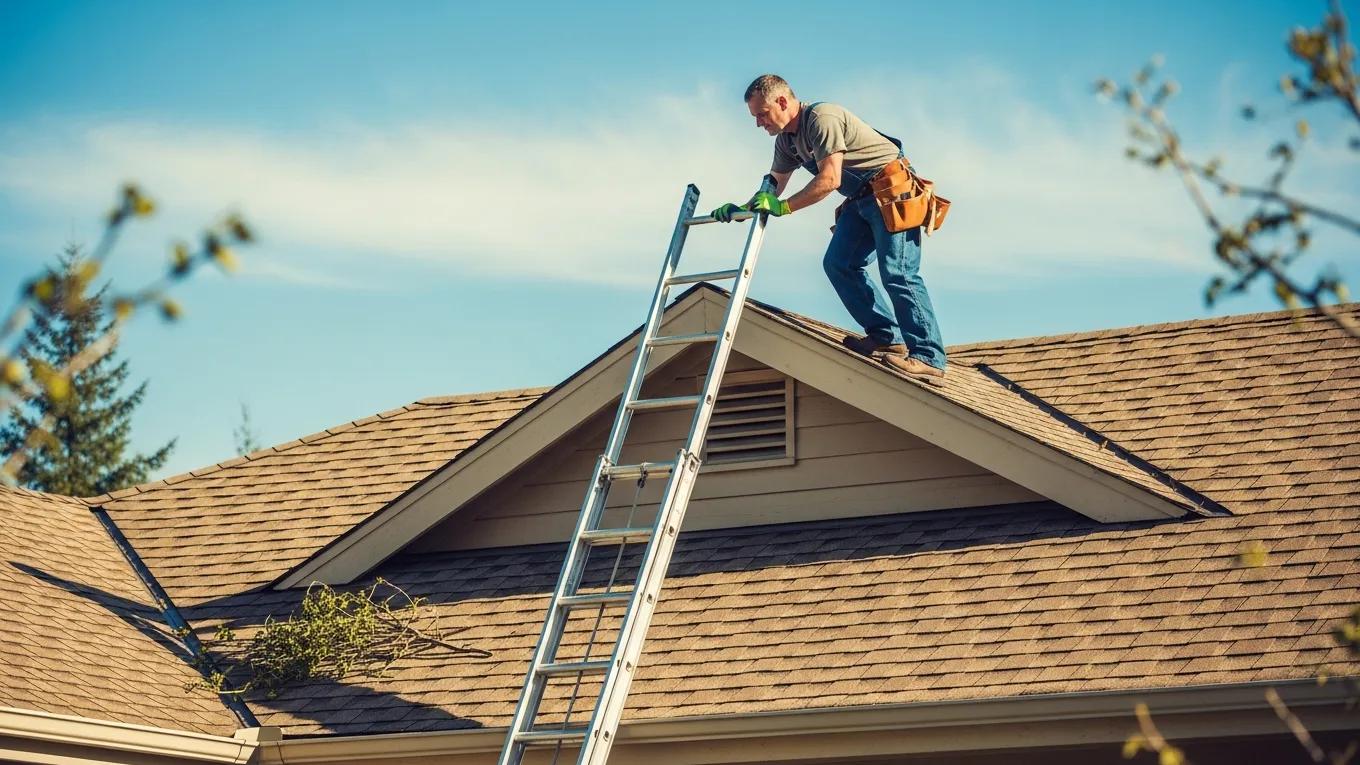
Signs Your Roof Needs Repair or Replacement: A Homeowner’s Essential Guide
Knowing the condition of your roof is essential to protect your home. A properly maintained roof shields your property from weather, improves energy performance, and preserves home value. This guide explains the warning signs of roof damage, outlines repair and replacement options, offers maintenance advice, and explains when to call a professional so you can make informed decisions promptly.
Comprehensive Guide for Homeowners on Roof Repair and Replacement
Routine roof care is often deferred until problems appear. Regular inspections and awareness of common issues can prevent costly repairs. This guide provides a clear overview of signs that warrant repair or replacement, practical solutions, and maintenance tips. Acting proactively protects your investment and can increase your home’s value. For professional residential roofing services, consider exploring options for residential roofing.
Signs Indicating Roof Needs Repair or Replacement
Spotting early warning signs helps prevent more extensive damage. Key indicators to monitor include the following:
Visible Damage
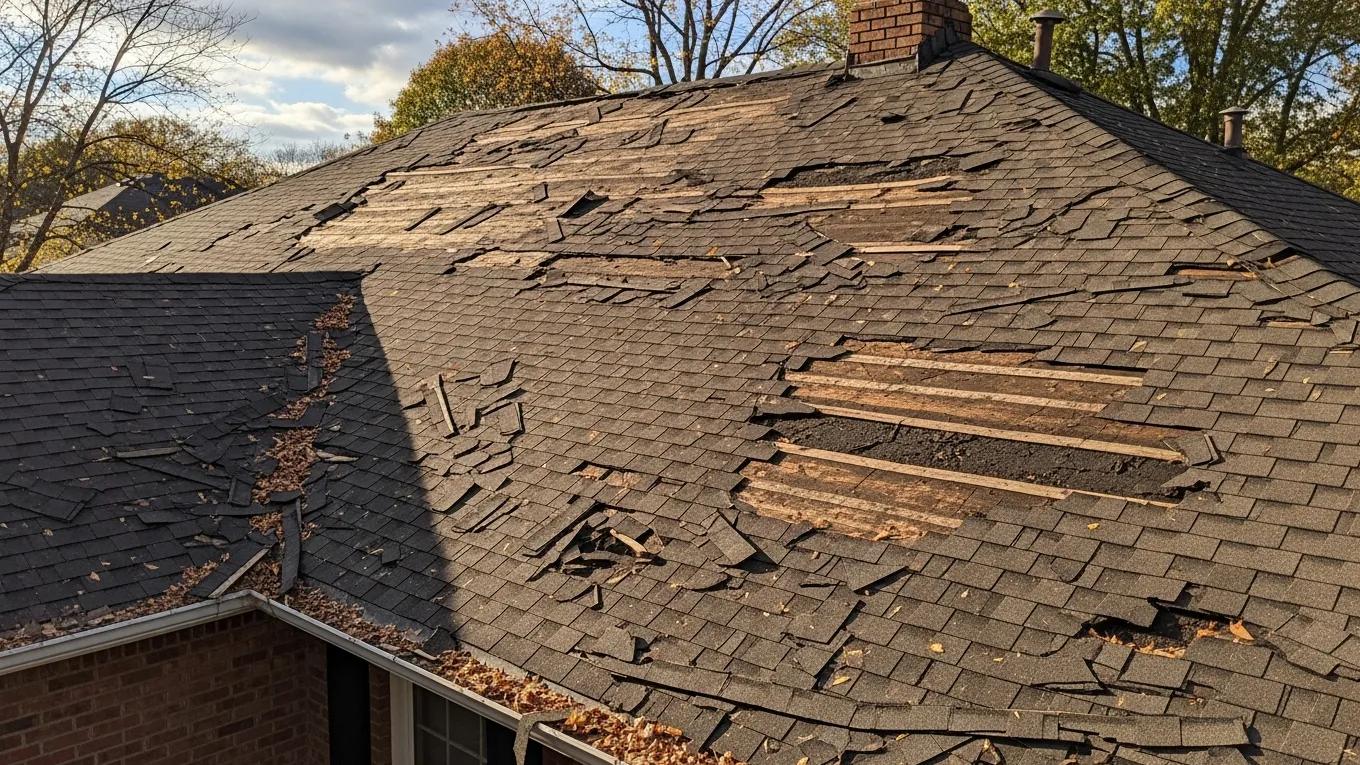
Visible damage is the clearest signal your roof needs attention. Check regularly for the items listed below.
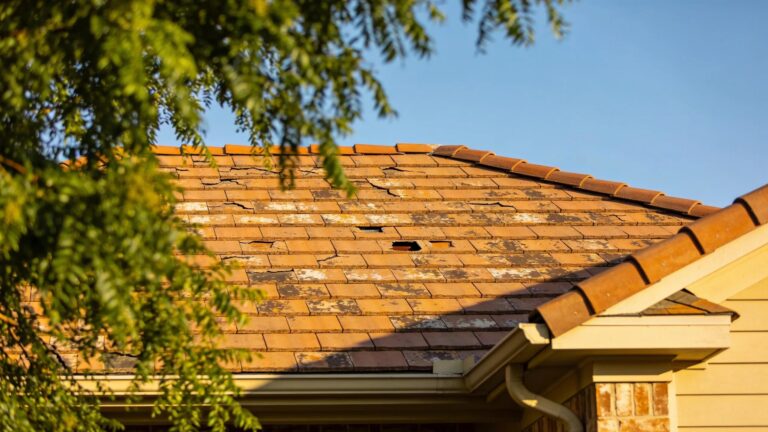
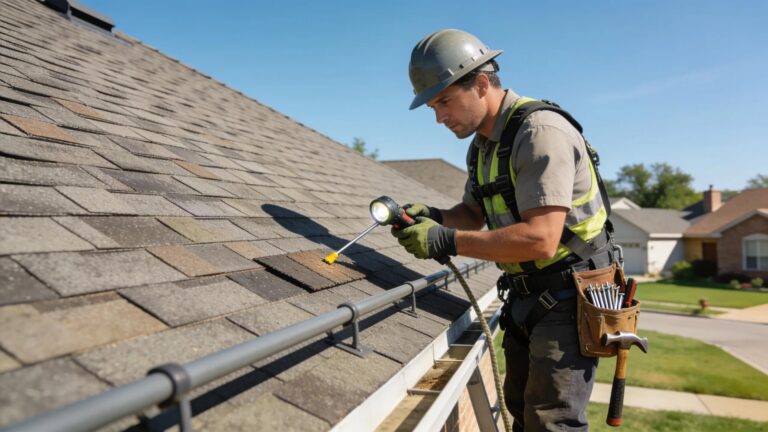
- Missing or Broken Shingles: Shingles that are cracked, curled, or missing can expose your roof to leaks and further damage.
- Granules in Gutters: If you notice granules from shingles accumulating in your gutters, it may indicate that your shingles are deteriorating.
- Cracks or Sagging: Any visible cracks or sagging areas on your roof can signal structural issues that require immediate attention.
Any of these visible signs suggests repair or replacement may be necessary to protect the roof system.
Water Damage
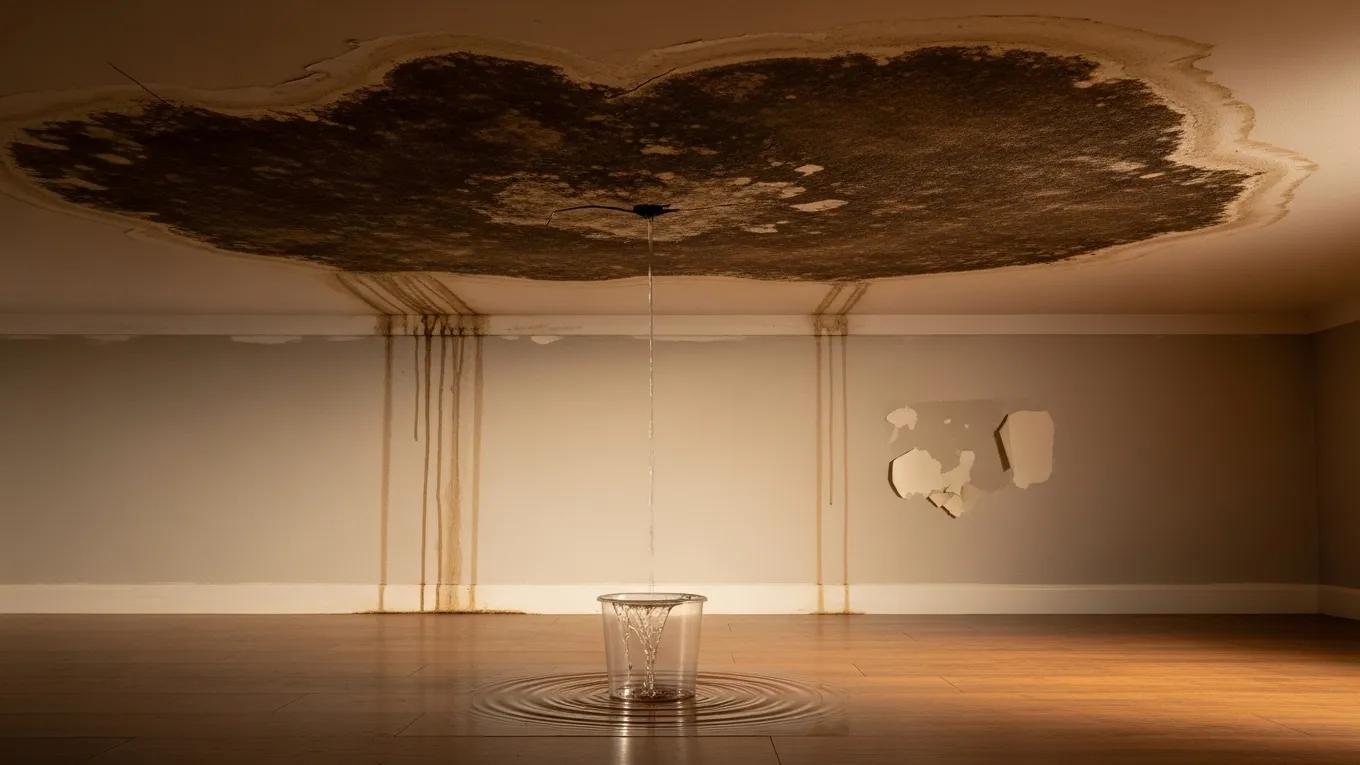
Water damage often indicates the roof has been compromised. Watch for the following warning signs.
- Discoloration on Ceilings: Stains or discoloration on your ceilings can suggest leaks from your roof.
- Leaks and Their Urgency: If you notice water dripping from your ceiling, it is essential to address the issue immediately to prevent mold growth and structural damage.
- Long-term Effects of Neglect: Ignoring water damage can lead to significant problems, including mold growth and compromised structural integrity.
Promptly addressing water intrusion reduces the risk of mold and more extensive, costly repairs.
Age of Roof
Roof age is a major factor when choosing between repair and replacement. Keep these points in mind.
- Typical Lifespan of Roofs: Most asphalt shingle roofs have a lifespan of 20-30 years, depending on the materials used. If your roof is approaching this age, it may be time to consider replacement.
- When to Consider Replacement: If your roof is nearing the end of its lifespan and shows signs of wear, replacement may be more cost-effective than continual repairs.
- Impact of Frequent Repairs: If you find yourself frequently repairing your roof, it may be a sign that a full replacement is necessary to avoid ongoing costs.
Knowing your roof’s age helps you plan maintenance and decide whether replacement will be more economical over time.
Energy Bills
A roof in poor condition can raise your energy costs. Watch for these indicators.
- Increased Energy Costs as a Sign: If you notice a sudden spike in your energy bills, it may indicate that your roof is not providing adequate insulation.
- Link Between Insulation and Roof Condition: A compromised roof can lead to heat loss in the winter and heat gain in the summer, affecting your home’s energy efficiency.
- Long-term Savings with Proper Maintenance: Investing in roof repairs or replacement can lead to long-term savings on energy costs by improving your home’s insulation.
Track energy use to detect insulation problems linked to roof condition and to evaluate the cost-effectiveness of repairs or replacement.
Mold or Mildew Growth
Mold or mildew inside the home often signals moisture entry from the roof. Be alert to these signs.
- Signs of Mold in the Attic: If you notice mold or mildew in your attic, it may indicate that your roof is allowing moisture to enter.
- Health Risks Associated with Mold: Mold can pose serious health risks to you and your family, making it essential to address any signs of growth promptly.
- Preventive Measures: Regular inspections and maintenance can help prevent mold growth by ensuring your roof remains watertight.
Addressing mold promptly protects occupants’ health and prevents further structural damage.
Potential Solutions
When you identify roof problems, you generally have two paths: targeted repairs or full replacement. Understanding both helps you choose the most practical option.
Repairs
Repairs can resolve many common issues. Consider the following situations.
- Localized Damage Solutions: Minor issues, such as a few missing shingles, can often be repaired without the need for a full replacement.
- Cost-effective Repair Options: Repairing specific areas of your roof can be a more budget-friendly option compared to a complete replacement.
- Importance of Timely Repairs: Addressing issues promptly can prevent further damage and extend the life of your roof.
Selecting repairs for localized problems can save money and extend the service life of the roof when the overall structure remains sound.
Replacement
Replacement is appropriate when repairs no longer restore reliability. Keep these factors in mind.
- Signs That Indicate Replacement: If your roof is significantly aged or has extensive damage, replacement may be the best option.
- Choosing Materials for Replacement: Selecting high-quality materials can enhance your roof’s durability and longevity.
- Long-term Benefits of a New Roof: A new roof can improve your home’s energy efficiency, aesthetic appeal, and overall value.
Understanding the replacement process helps you plan budget and timing. For commercial properties, specialized commercial roofing solutions are available.
Maintenance Tips
Routine maintenance extends roof life and reduces unexpected costs. Follow these best practices.
- Regular Inspections: Schedule routine inspections to identify potential issues before they escalate.
- Debris Removal: Keep your roof clear of debris, such as leaves and branches, to prevent water buildup and damage.
- Gutter Maintenance: Ensure your gutters are clean and functioning properly to direct water away from your roof and home.
Consistent maintenance lowers repair frequency and helps your roof reach its expected service life.
When to Call a Roofer
Know the situations that require professional intervention. Use this guidance to protect your roof and budget.
- Signs That Require Immediate Attention: If you notice significant leaks, sagging, or extensive damage, it’s time to call a professional.
- Importance of Professional Evaluations: A qualified roofer can provide a thorough assessment and recommend the best course of action.
- Long-term Cost Savings: Investing in professional evaluations can save homeowners money by addressing issues before they become major problems.
Call a qualified roofer for major leaks, structural concerns, or when you need an expert assessment. In cases of roof damage due to severe weather, insurance claim assistance can be valuable.
Frequently Asked Questions
What are the common causes of roof damage?
Roof damage commonly results from severe weather (heavy rain, snow, hail), poor installation or low-quality materials, lack of maintenance that traps moisture, and age-related wear. Regular inspections help identify these issues early and reduce repair costs.
How often should I inspect my roof?
Inspect your roof at least twice a year, typically in spring and fall, and after major storms or heavy snowfall. Inspections reveal missing shingles, leaks, and wear. If you are unsure or unable to inspect safely, hire a professional roofer for a full evaluation.
Can I perform roof repairs myself?
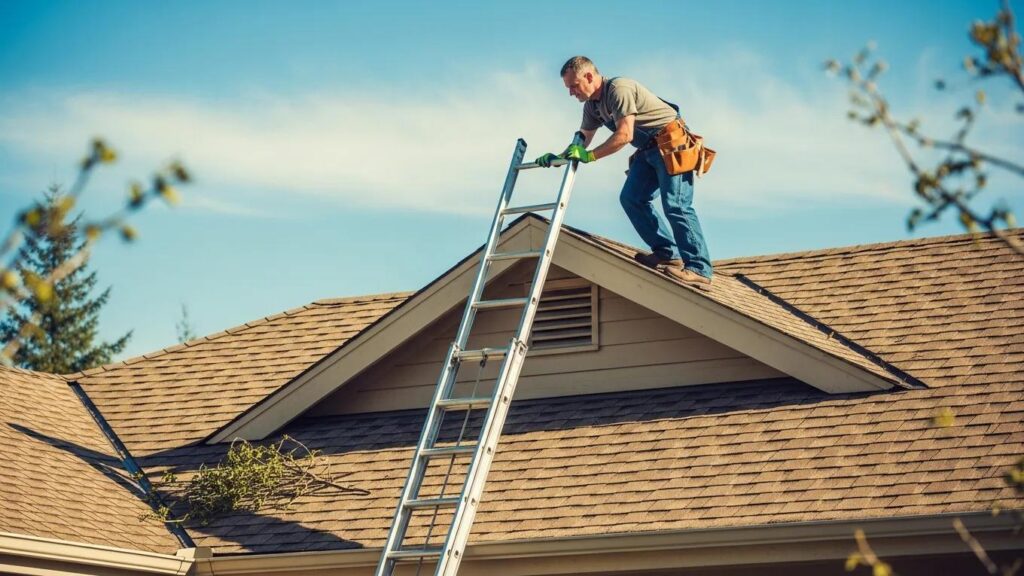
Minor repairs—such as replacing a few shingles—can be done by a competent homeowner with proper tools and safety measures. For significant repairs, structural issues, or any work that affects warranties, hire a professional. Roofing work can be hazardous and improper repairs may cause further damage.
What should I consider when choosing roofing materials?
When choosing roofing materials, weigh durability, climate suitability, appearance, local building codes, and budget. Asphalt shingles are cost-effective and easy to install; metal offers durability and energy benefits. Consult a roofing professional to select the best option for your needs.
How can I improve my roof’s energy efficiency?
Improve energy efficiency by ensuring proper attic insulation and ventilation, using reflective roofing materials where appropriate, and keeping gutters and roof surfaces clear of debris. Replacing an old roof with energy-efficient materials can also provide measurable savings on energy bills.
What are the signs that I need to replace my roof?
Replacement is likely when you see widespread damage—multiple leaks, significant sagging, or many missing shingles—or when the roof approaches its expected lifespan (often 20–30 years for asphalt shingles). Rising energy bills or persistent mold are also indicators that replacement may be the more cost-effective option.
How can I find a reliable roofing contractor?
Find a reliable contractor by asking for recommendations, checking online reviews, and confirming license and insurance. Verify references, request multiple written estimates, and check the contractor’s standing with the Better Business Bureau. A reputable contractor will be transparent about process, pricing, and warranties.
Conclusion
Recognizing the signs that your roof needs repair or replacement helps protect your home and investment. By acting on visible damage, water infiltration, and energy inefficiencies, you can prevent larger problems. Schedule a professional inspection when in doubt to keep your roof in optimal condition. Explore our resources for maintenance advice and locate trusted roofing services in your area.