Spot Roof Damage: 7 Signs Every Owner Should Know
7 Common Signs of Roof Damage Every Home and Business Owner Should Watch For: Expert Detection and Repair Guidance
Roof damage poses serious risks for both homeowners and business owners, so early detection is essential. Knowing the common warning signs preserves your property’s integrity and reduces the chance of costly repairs. This article outlines the seven most frequent signs of roof damage and provides expert guidance on how to identify and address them. Spotting problems early lets you protect your investment and maintain a safe building.
This guide explains how to detect leaks and water damage, identify visible signs of roof failure, recognise shingle wear, and assess storm-related impacts. We also cover how solar installations interact with roof systems and outline practical maintenance practices to keep your roof healthy.
How Can You Detect Roof Leaks and Water Damage Early?
Early detection of roof leaks and water damage prevents larger failures. Common indicators include water stains on ceilings, mould growth, and damp spots on walls. Regular, methodical inspections catch these signs before they worsen. After heavy rain, check for water pooling on the roof as it can signal drainage or flashing problems.
Best Roofer Solar General Contractors offers comprehensive roof inspection services to help you identify potential leaks and water damage early. Their team specialises in thorough assessments and works to address issues promptly to limit further complications.
What Are the Visible Signs of Roof Leaks?
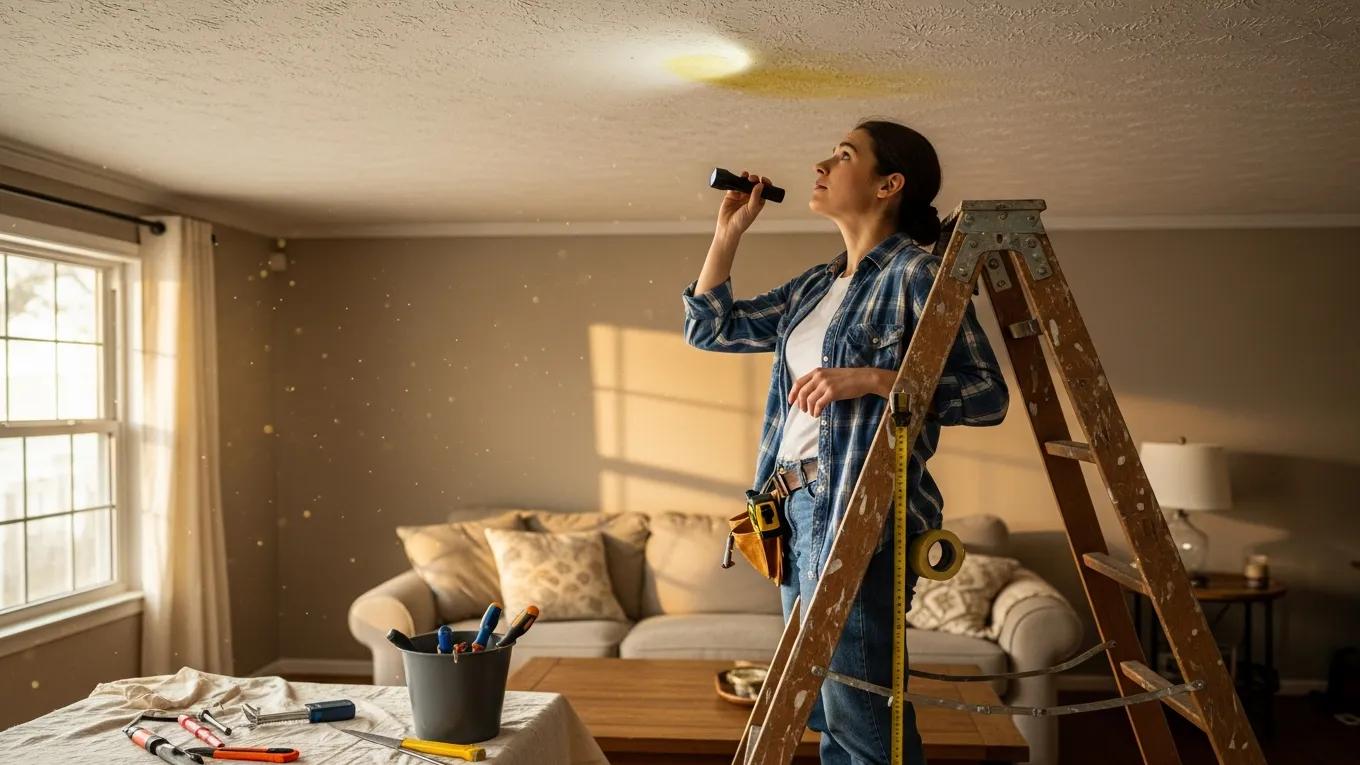
Visible leak indicators are critical to catch early. Watch for the following:
- Water Stains on Ceilings: Discolouration or dark spots often indicate water intrusion.
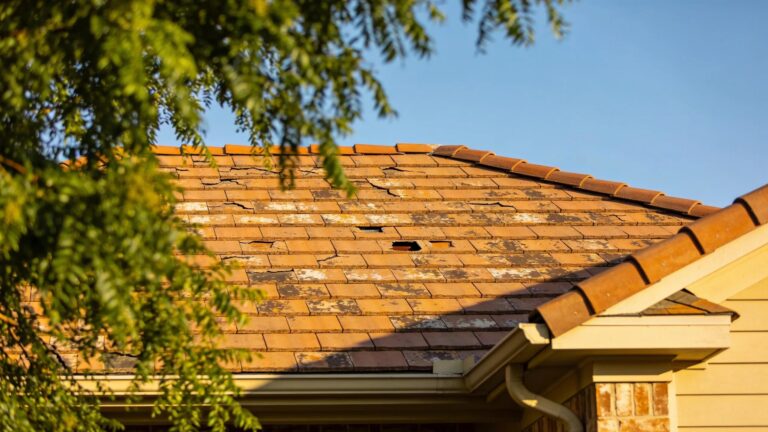
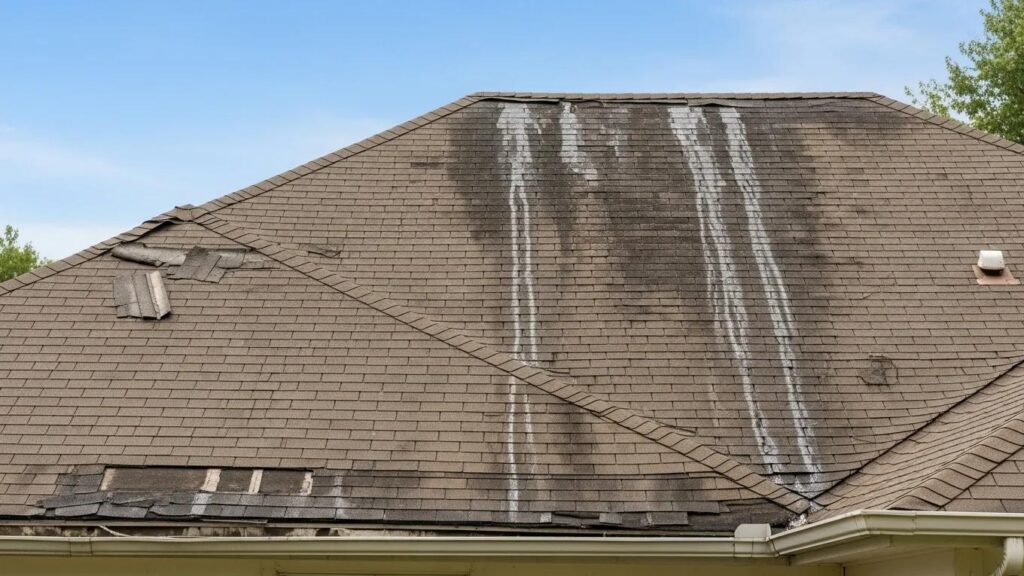
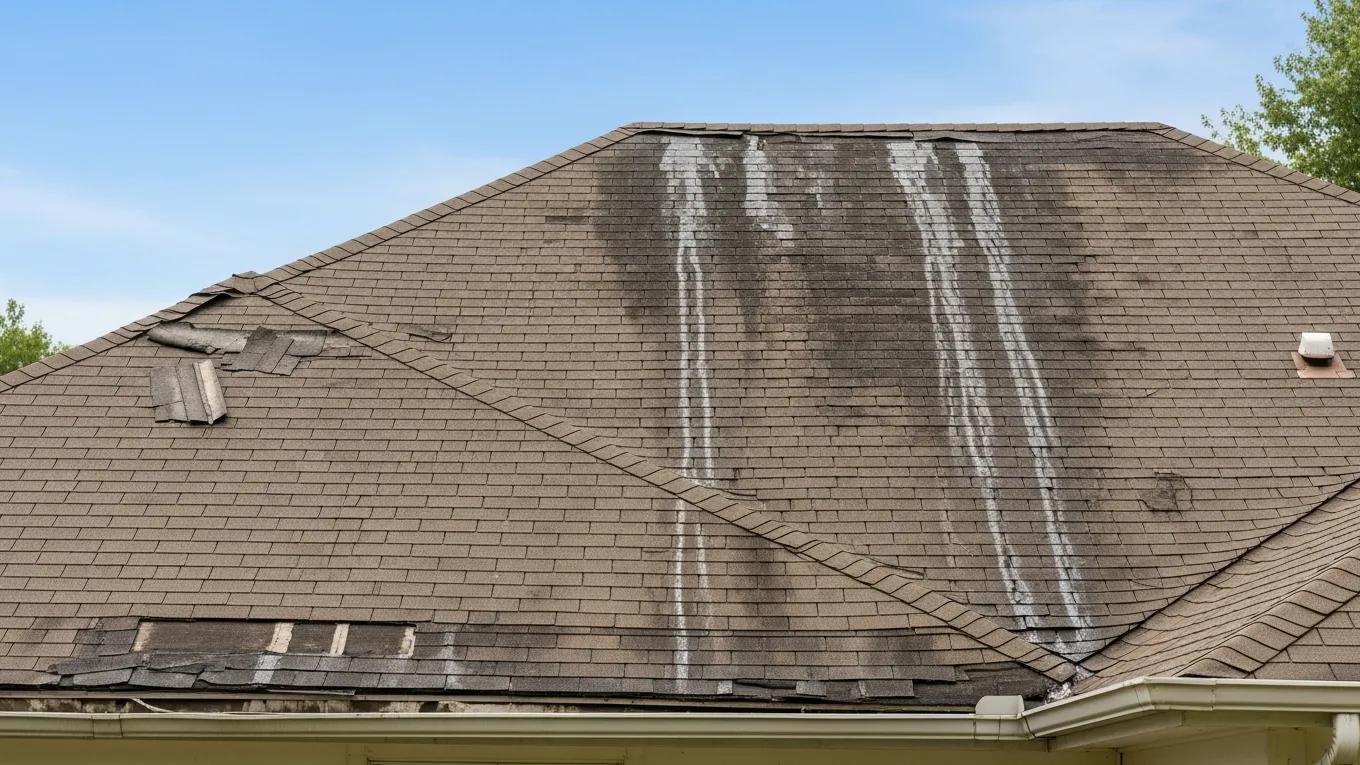
- Missing or Damaged Shingles: Cracked, curled, or absent shingles can allow water entry.
- Sagging Roofline: A sagging roofline may reflect structural issues or trapped water.
These signs warrant prompt action to avoid further damage. Regular inspections help detect problems early and keep your roof serviceable.
How Does Water Damage Affect Roof Structure and Interiors?
Water infiltration can weaken roof structure and damage interiors. It leads to rotting timber, mould growth, and compromised support beams. Inside the building, you may face repairs to ceilings, walls, and insulation, all of which increase repair costs.
Recognising these consequences reinforces the need for scheduled inspections and timely maintenance. Addressing leaks quickly helps protect your property and limits repair expenses.
What Are the Key Indicators of Shingle Damage and Wear?
Shingle deterioration is a common source of roof problems. Look for these key indicators:
- Granules in Gutters: Granules in gutters signal shingle wear and possible leaks.
- Missing or Damaged Shingles: Cracked, curled, or missing shingles expose the roof to moisture.
- Sagging Roofline: Sagging suggests water accumulation or structural compromise.
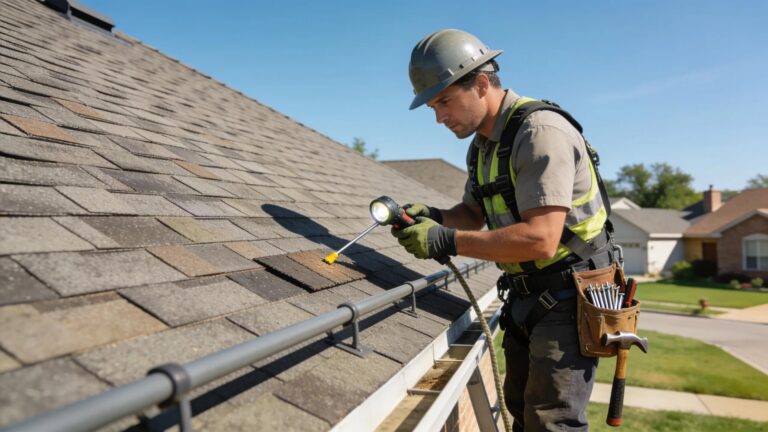
These indicators should prompt a professional inspection to determine the extent of damage. Best Roofer Solar General Contractors offers free inspections to identify shingle issues and recommend appropriate repairs.
How to Identify Missing, Cracked, or Curling Shingles?
You can spot missing or damaged shingles with a careful visual check from the ground for irregular patterns. Inspect the attic for light penetration or water stains, which often reveal shingle failures before they appear on the exterior.
Consistent maintenance and scheduled inspections limit escalation and help avoid costly repairs.
What Causes Shingle Deterioration in Dallas-Fort Worth Weather?
- Heat Exposure: Prolonged high temperatures can make shingles brittle and prone to cracking.
- UV Radiation: UV exposure degrades shingle materials and accelerates wear.
- Storm Damage: Severe weather can physically damage shingles and create leak points.
Understanding these factors enables homeowners to take measured steps to protect their roofs and extend material life.
How Do Roof Flashing and Sealant Issues Signal Damage?
Flashing and sealant play a central role in keeping water out at roof penetrations. Damaged or poorly installed flashing allows water to seep into vulnerable areas, creating leak paths.
Inspect flashing for signs of corrosion, separation, or physical damage. Check sealant around vents and chimneys for cracks or gaps and repair them to prevent water intrusion.
What Are Common Flashing Problems and Their Effects?
- Flashing Leaks: Incorrectly installed or damaged flashing leads to leaks.
- Corrosion and Separation: Over time, flashing can corrode or pull away from roof surfaces.
- Cracks and Damage: Physical damage reduces flashing effectiveness.
Promptly addressing flashing issues prevents substantial water damage and limits repair costs.
How to Spot Sealant Cracks and Gaps on Your Roof?
Regularly inspect sealants around vents, chimneys, and other penetrations. Common signs of deterioration include visible cracks and gaps where the sealant no longer bonds to the roof surface.
Routine inspections and timely resealing keep these penetrations watertight and reduce the risk of interior damage.
What Are the Signs of Storm and Hail Damage to Your Roof?
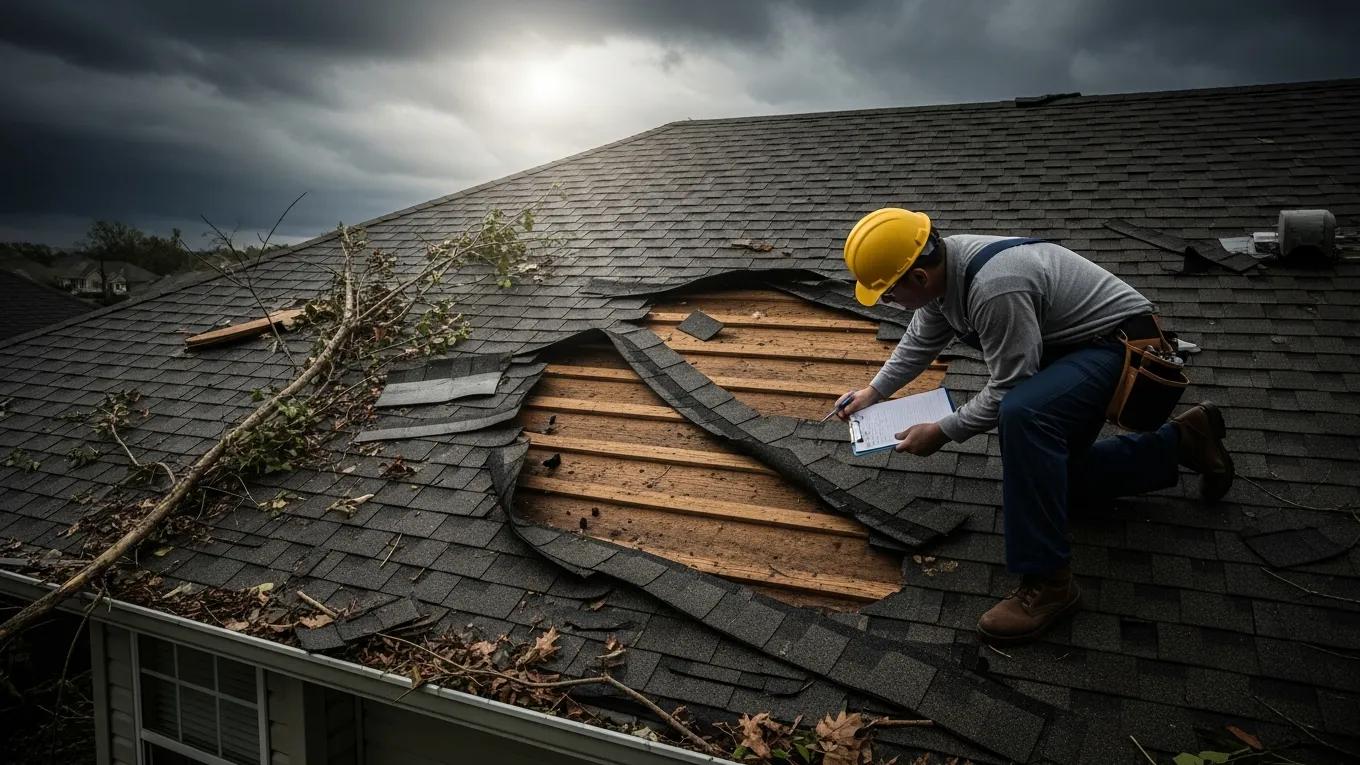
Storm and hail events can cause immediate and visible harm to roofing systems. Typical signs include:
- Missing or Broken Shingles: Hail and wind can crack or displace shingles, creating leak points.
- Granules in Gutters: Increased granule loss often follows hail impact.
- Cracks or Sagging: Cracks or a drooping roofline may indicate structural effects of storm damage.
Arrange a post-storm roof inspection to document damage and begin repairs as soon as possible.
How to Recognize Impact Marks and Granule Loss?
After severe weather, inspect shingles for dents or dings that indicate impact damage. Check gutters and the ground for granule accumulation, which signals shingle wear.
Timely inspections following storms help you identify damage early and schedule necessary repairs.
When Should You Schedule a Post-Storm Roof Inspection?
Schedule an inspection in these situations:
- Immediately After a Storm: To document visible damage quickly.
- If You Notice Leaks: Any post-storm leaks require prompt assessment.
- Annually: Regular yearly inspections catch issues before they worsen.
Best Roofer Solar General Contractors provides expert roof inspection services to assess storm damage and advise on necessary repairs.
How Can Structural Roof Damage Be Identified and Addressed?
Structural damage requires immediate attention to preserve safety and function. Key signs include:
- Visible Sagging: A sagging roofline often indicates underlying structural problems.
- Cracks in Walls: Interior wall cracks can be symptoms of roof-related movement.
- Water Stains: Persistent stains on ceilings or walls may point to chronic leaks.
Consult a qualified roofing professional to evaluate structural issues and recommend the proper repair strategy.
What Are the Warning Signs of Sagging or Warping Roof Sections?
- Visible Sagging: A noticeable dip in the roofline can indicate structural compromise.
- Uneven Roof Surface: An irregular surface may reflect internal damage.
- Cracks in Walls: Interior cracking can correlate with roof problems.
Address these warning signs quickly to prevent escalation and protect building occupants.
How Does Structural Damage Affect Roof Safety and Longevity?
Structural defects reduce a roof’s lifespan and increase safety risks. Consequences include a higher chance of collapse, shortened material life, and hazards to occupants.
Regular inspections and timely repairs help identify structural concerns early and preserve roof performance and safety.
What Roof Damage Can Solar Panel Installations Cause?
Solar installations can affect roofs if not executed correctly. Potential issues include:
- Improper Installation: Incorrect mounting can create leak pathways.
- Damage to Shingles: Poorly supported panels may distress shingle materials.
- Flashing Issues: Inadequate flashing around mounts can lead to water entry.
Hire qualified solar and roofing professionals to minimise installation risk and protect your roof system.
How to Detect Roof Damage Related to Solar Panel Detachment or Resetting?
Detect damage after panel work by conducting visual inspections around mounts, watching for new water stains indoors, and scheduling follow-up checks after any panel adjustments.
The specialized services for solar panel detachment and resetting can assist with inspections and repairs related to solar panel installations.
What Are Best Practices for Integrating Solar Panels Without Roof Harm?
Adopt these best practices to protect your roof when adding solar:
- Professional Installation: Use certified installers experienced with roof-mounted systems.
- Regular Inspections: Inspect the roof and panel mounts regularly for issues.
- Proper Flashing: Ensure correct flashing and sealing around all penetrations.
Following these steps lets you gain the energy benefits of solar while preserving roof integrity.
Frequently Asked Questions
What should I do if I notice signs of roof damage?
If you see water stains, missing shingles, or sagging, act quickly. Perform a visual check of the roof and interior. Then contact a professional roofing contractor for a full inspection and assessment. Prompt action reduces repair costs and protects the structure.
How often should I have my roof inspected?
Have your roof inspected at least once a year, preferably in spring or fall. Also schedule an inspection after severe weather such as storms or hail. Regular checks catch issues early and extend roof service life.
Can I perform roof inspections myself?
You can conduct basic visual checks from the ground, but a professional assessment is advisable for a thorough evaluation. Professionals have the training and equipment to spot hidden problems safely. If you inspect yourself, use a sturdy ladder and follow safety precautions.
What are the risks of ignoring roof damage?
Ignoring roof damage can lead to structural failures, mould growth, and extensive water damage. Small defects can escalate into major repairs, increasing costs and creating safety risks. A compromised roof can also reduce property value.
How can I prevent roof damage from storms?
Maintain your roof in good condition and address vulnerabilities before storm season. Consider impact-resistant materials and ensure drainage systems function properly. After a storm, inspect the roof and arrange repairs promptly to limit further damage.
What should I look for after a storm to assess roof damage?
After a storm, check for missing or broken shingles, granules in gutters, and visible cracks or sagging in the roofline. Look inside for new water stains on ceilings and walls. If you find any signs, schedule a professional inspection to determine necessary repairs.
Are there specific maintenance tips for roofs with solar panels?
Yes. Ensure solar installations are completed by qualified professionals to reduce risk. Regularly inspect the roof area around panels for signs of leaks or damage and monitor indoor ceilings for new stains. Schedule a roof inspection after any solar maintenance to confirm the roof remains watertight.
Conclusion
Recognising roof damage early protects your property and reduces repair costs. Stay vigilant with regular inspections to address leaks, shingle wear, and structural concerns before they worsen. Take proactive steps now—schedule a professional roof inspection to safeguard your investment and maintain the integrity of your home or business.