
Fort Worth summers are no joke—temperatures often exceed 100°F, making your roof one of the most critical components in controlling indoor comfort and utility costs. Installing an energy-efficient roof helps reduce heat absorption, lower monthly cooling bills, and increase your home’s overall value and lifespan.
Let’s break down how to choose the right roofing system to withstand Fort Worth’s climate and help your home stay cooler year-round.
Best Energy-Efficient Roofing Materials for Fort Worth Homes
Choosing the right material can significantly affect how much solar radiation your home absorbs or reflects.
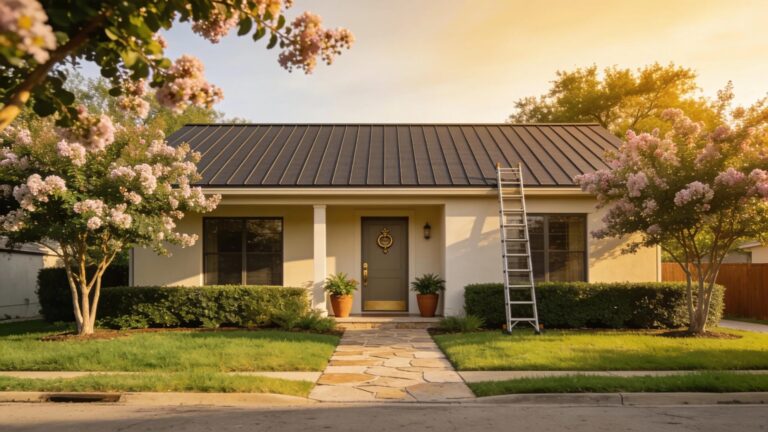
Metal Roofing
- Naturally reflective, especially when finished with “cool roof” coatings
- Fire-resistant and highly durable (lifespan of 40–70 years)
- Reflects UV rays and reduces attic temperatures significantly
Cool Roof Asphalt Shingles
- Designed with solar-reflecting granules to reduce surface temps
- ENERGY STAR® rated options now available from GAF, Owens Corning, etc.
- Affordable and commonly used across Fort Worth neighborhoods
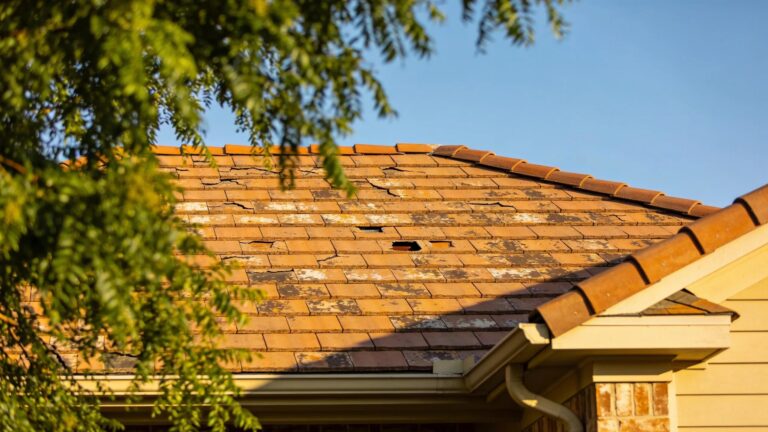
Clay or Concrete Tile
- Dense, heat-resistant materials
- Allow air flow underneath the tiles, acting as a natural insulation barrier
- Popular in Southwestern architecture; ideal for high-heat regions
TPO Roofing (Flat Roofs)
- Great for modern and commercial buildings
- Bright white and extremely UV reflective
- Durable, lightweight, and low maintenance

The Role of Roof Color in Energy Efficiency
In Fort Worth’s intense sun, roof color can impact energy usage just as much as the material.
- Light-colored roofs (white, tan, light gray) reflect the most sunlight and heat
- Darker roofs (black, dark brown) absorb more solar radiation, raising attic and indoor temperatures
Pro tip: Choose a color that matches your home’s aesthetic and minimizes heat absorption—especially for south- or west-facing roofs.
Proper Ventilation & Insulation
Even the most energy-efficient roof won’t help much without proper attic ventilation and insulation. These two systems work together to regulate temperature, moisture, and airflow under your roof.
Signs your ventilation may need upgrading:
- Attic feels extremely hot or humid
- A/C struggles to cool the home
- Roof materials degrade faster than expected
Additions like ridge vents, solar-powered fans, and attic radiant barriers can increase performance and help your energy-efficient roof do its job
Work With a Local Fort Worth Roofing Contractor
An energy-efficient roof is only as good as the installation behind it. Choose a certified, local Fort Worth roofing company with experience handling:
- High-heat installations
- Texas energy codes
- Roof + attic system integration
- Manufacturer-trained install techniques
At Best Roofer Soler, we specialize in cool roofing solutions built to handle Fort Worth’s scorching summers. We’ll help you compare materials, estimate savings, and ensure flawless installation.