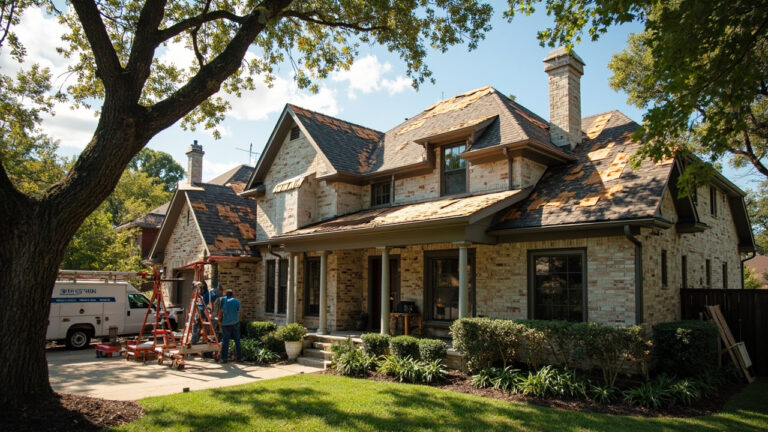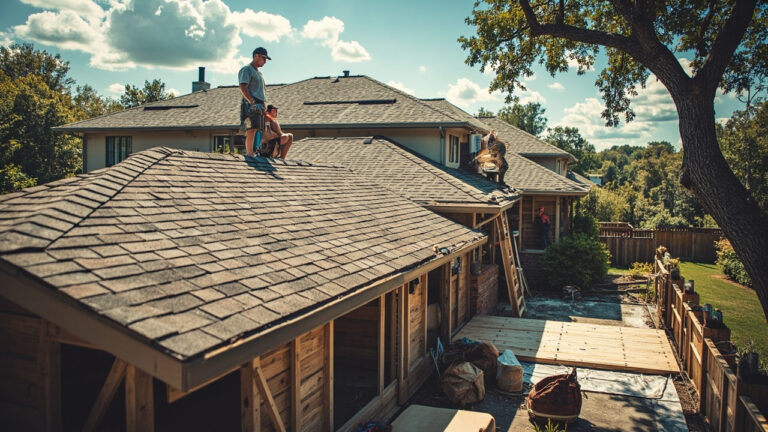

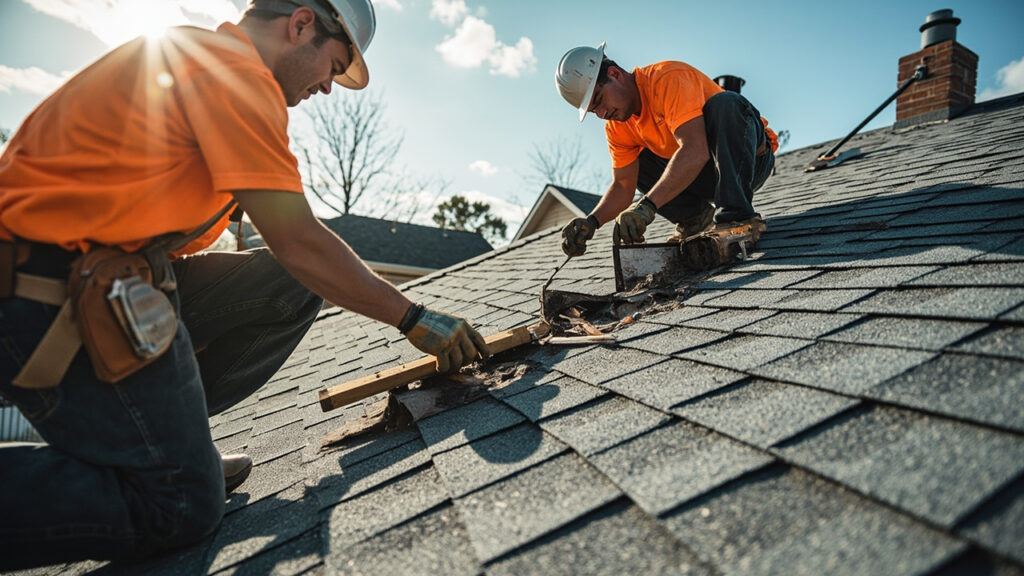
When a severe storm rolls through the Dallas-Fort Worth metroplex, most homeowners immediately look at their shingles for signs of impact. However, understanding how hail damage roof components beyond just the asphalt layers is critical for maintaining the structural integrity of your home. While bruised or missing granules on shingles are obvious indicators of weather stress, the secondary components of your roofing system often bear the brunt of high-velocity ice impacts. These components, including vents, flashing, and drainage systems, are essential for keeping your home dry and well-ventilated.
As a full-service general contractor serving North Texas, Best Roofer Solar understands the complexities of the local climate. DFW weather can be unpredictable, and even small hail can cause significant functional damage to metal and plastic fixtures on your roof. If you suspect your property has been affected, identifying the full scope of the issue is the first step toward a successful recovery. If you discover active water intrusion after a storm, knowing the steps for an emergency roof leak DFW: what to do before help arrives can mitigate interior damage while you wait for a professional assessment.
Identifying Hail Damage to Roof Components
A comprehensive inspection involves looking at every element that penetrates or protects the roof deck. Hail damage roof components often include soft metals like aluminum and galvanized steel, which are frequently used for chimney caps, valley flashing, and attic vents. Unlike shingles, which may hide damage until granules begin to wash away, metal components often show immediate physical evidence of a storm.
Dents in metal fixtures are more than just cosmetic blemishes. A significant dent in a vent or a chimney cap can restrict airflow or create a collection point for future debris. Furthermore, high-impact hail can crack plastic components, such as power fan covers or plumbing boots. These cracks may not be visible from the ground but can lead to slow, persistent leaks that damage your attic insulation and ceiling drywall over time. When the damage is severe enough to compromise the home’s envelope, emergency roof tarping serves as a vital temporary measure to prevent further loss.
The Vulnerability of Roof Vents to Hail Damage
Roof vents are among the most susceptible parts of any North Texas home during a storm. Because they sit higher than the roof surface and are often made of lighter materials, roof vents hail damage is a common occurrence in the DFW area. There are several types of vents to consider:
- Box Vents: These static vents are often made of aluminum or plastic. Large hailstones can crush the tops, reducing the vent’s ability to exhaust hot air from the attic.
- Turbine Vents: Also known as whirlybirds, these can become unbalanced or seized if the internal bearings are struck by hail, leading to a complete loss of ventilation efficiency.
- Power Vents: The plastic domes covering electric attic fans are prone to shattering under the impact of large ice stones, exposing the electrical motor and the interior of the home to direct rainfall.
Proper ventilation is crucial for the longevity of your shingles. If your vents are compromised, heat and moisture can build up in your attic, leading to premature aging of the entire roofing system. Ensuring these components are in good working order is a key part of any professional inspection.
Storm Damaged Flashing and Perimeter Components
Flashing is the unsung hero of your roof, directing water away from critical areas like chimneys, dormers, and valleys. When you have storm damaged flashing, the water-tight seal of your roof is broken. Hail can dent the metal, causing it to pull away from the wall or chimney it is meant to protect. In some cases, the force of the impact can break the caulking or sealant used at the edges of the flashing.
In North Texas, where wind-driven rain often accompanies hail, even a small gap in the flashing can lead to significant water intrusion. Drip edges, which are installed along the eaves and rakes of the roof, are also frequently damaged. A bent drip edge can allow water to seep behind the gutters and rot the fascia board, leading to expensive structural repairs if left unaddressed.
Gutters and Existing Solar Panels
Gutters are often the first place a professional looks for evidence of hail damage roof DFW. Beyond the obvious dents in the aluminum, hail can strip the granules off shingles, which then collect in the gutters. This extra weight, combined with the volume of water and ice during a storm, can cause gutter brackets to pull away from the house. If your gutters are sagging or overflowing, it may be a sign of storm-related stress.
For homeowners with solar energy systems, hail presents a unique challenge. While modern panels are designed to be durable, the roofing material underneath them still needs to be maintained. When roofing work is required due to storm damage, Best Roofer Solar can detach and reset existing solar panels to ensure the underlying roof components are properly repaired or replaced. This ensures that your entire roofing system, including the areas hidden by your solar array, remains in peak condition.
Why Professional Inspections Matter for Hail Damage Roof DFW
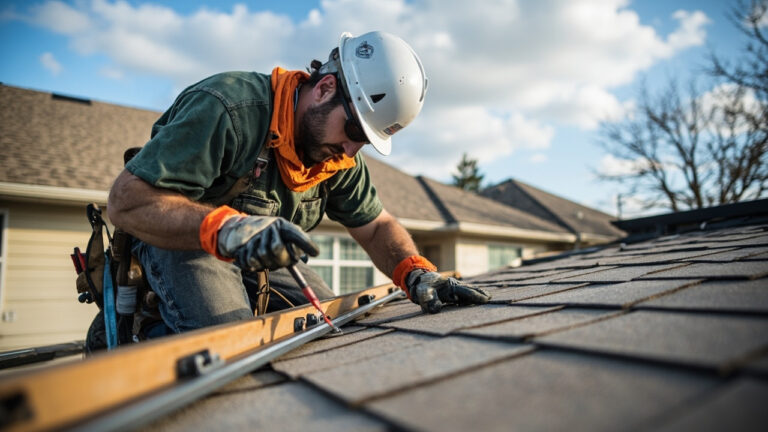
Assessing a roof after a storm requires a trained eye. Many homeowners make the mistake of only looking for missing shingles, but hail damage roof DFW is often more subtle. A professional contractor provides a technical perspective, documenting the condition of every component from the ridge caps to the downspouts. We provide detailed inspections, high-resolution photographs, and comprehensive estimates that property owners can use to understand the health of their home.
If your property has been impacted by a recent storm, we recommend a thorough evaluation of all exterior surfaces. Our team focuses on providing accurate technical documentation and repair scopes to ensure your home is restored to its pre-storm condition. For those requiring comprehensive storm damage remediation, we offer the expertise needed to address both shingles and secondary components.
Frequently Asked Questions
Can hail damage roof components without damaging shingles?
Yes. Soft metal components like aluminum vents, gutters, and chimney caps can show significant denting and functional damage from hail that was not large enough or hard enough to leave visible marks on asphalt shingles. These metal components are often more sensitive to impact.
Do I need to replace my gutters if they have hail dents?
It depends on the severity. If the dents are purely cosmetic, replacement may not be functionally necessary. However, if the hail has caused the gutters to sag, leak at the seams, or pull away from the fascia, they should be replaced to prevent water damage to your home’s foundation and siding.
What happens to existing solar panels during a roof repair?
If the roofing material under your solar array needs to be repaired or replaced due to hail damage, the panels must be carefully removed. Best Roofer Solar can detach and reset existing solar panels, ensuring they are safely handled and correctly reinstalled once the roofing work is complete.
If you suspect your home has sustained damage, don’t wait for a leak to appear. Contact Best Roofer Solar today for a professional assessment of your property. Call 682-688-7727 for a FREE property/roof inspection and ensure your entire roofing system is protected.