
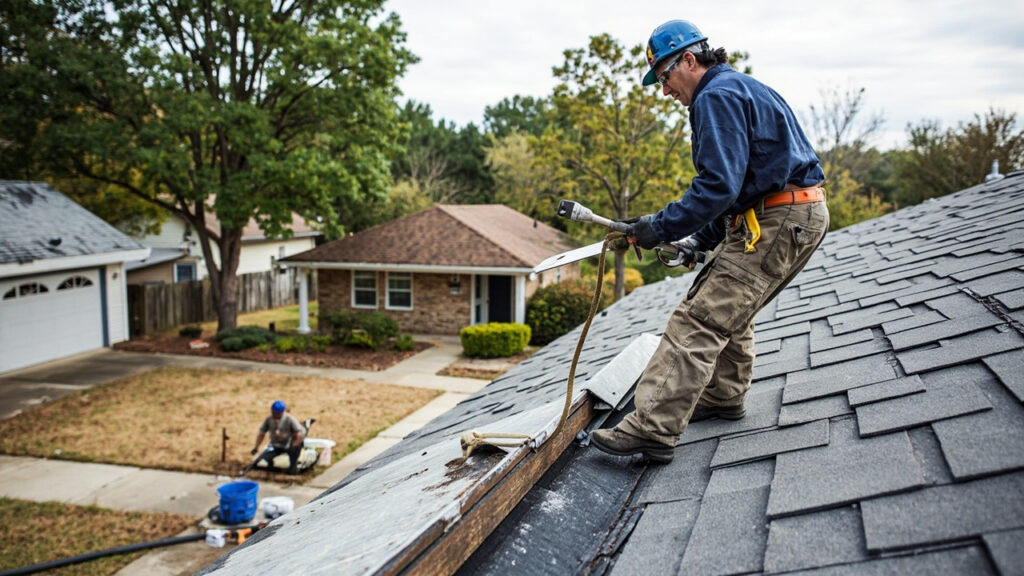
Managing an Emergency Roof Leak in DFW Safely
North Texas weather is notoriously unpredictable. When a sudden thunderstorm or hailstorm rolls through the Metroplex, homeowners often find themselves facing a stressful situation: an emergency roof leak DFW residents must address immediately to prevent interior damage. Whether it is a slow drip or a significant intrusion, the steps you take in the first hour can significantly impact the long-term health of your property.
The most important rule during any weather event is safety. Never attempt to climb onto your roof during a storm or while the surface is wet. High winds and slippery shingles create a fall hazard that is far more dangerous than the water damage itself. Instead, focus your efforts on interior containment and documentation while waiting for a professional team to arrive for emergency roof repair DFW services. By staying grounded and organized, you can minimize the impact of the water until a safe inspection can be performed.
Immediate Interior Steps for Temporary Roof Protection
Once you have identified a leak, your primary goal is to stop the spread of water inside the home. If water is dripping from a ceiling, move furniture, electronics, and valuables out of the splash zone. If items are too heavy to move, cover them with plastic sheeting or heavy-duty trash bags. Placing a bucket or bin under the drip is the first step, but you can also use a string or a piece of cloth to guide the water into the container, reducing splashing and noise.
If you notice a bulge in your ceiling drywall where water is pooling, it may be necessary to carefully puncture the center of the bulge with a small screwdriver or awl. While it seems counterintuitive to poke a hole in your ceiling, this allows the trapped water to drain into a bucket in a controlled manner, preventing the heavy, saturated drywall from collapsing entirely. This is a key part of temporary roof protection strategies that homeowners can manage from the safety of their living room.
Identifying the Source from the Attic
If you can safely access your attic, you may be able to find the source of the leak without ever stepping outside. Use a flashlight to inspect the underside of the roof decking. Keep in mind that water often travels along rafters or beams before it finally drips onto the ceiling, so the spot where you see the leak inside may not be directly beneath the hole in the roof. Look for water tracks, damp insulation, or dark spots on the wood.
Common culprits for a roof leak after storm events in North Texas include damaged pipe jacks, displaced flashing around chimneys, or shingles that have been lifted by high winds. If you find the entry point, do not attempt to patch it from the inside with sealants, as this rarely works and can trap moisture against the wood. Simply note the location so you can point it out to your contractor later.
Documenting the Damage for Your Records
Before any cleanup begins, take clear photographs and videos of the active leak and any resulting damage to your ceilings, walls, or flooring. Documentation is vital for your own property records. As a full-service general contractor, Best Roofer Solar provides detailed inspections, professional measurements, and comprehensive repair estimates. We also provide technical repair information and detailed photographs of the roof surface that property owners may choose to provide to their insurance providers for their own documentation purposes.
It is important to keep a log of when the leak started and the weather conditions at the time. This data helps professionals determine the likely cause of the failure, whether it was wind-driven rain, hail impact, or a structural failure of a specific roofing component. Having this information ready when the roofer arrives ensures a more efficient assessment of the situation.
Professional Assessment and Long-Term Solutions
Once the storm has passed and the roof is dry enough for a safe climb, a professional roofer will conduct a thorough inspection. They will look for compromised shingles, damaged underlayment, and issues with ventilation or flashing. In many cases, a localized repair is sufficient to restore the integrity of the system. However, if the damage is widespread or the roof is nearing the end of its functional lifespan, a full replacement might be the more cost-effective choice in the long run.
For more information on how to weigh these options, you can consult our Roof Repair vs Replacement: A DFW Homeowner’s Guide. Our team is equipped to handle all aspects of the exterior restoration. If your home has existing solar panels that are in the way of the necessary repairs, we can professionally detach and reset those panels to ensure the roofing work is completed to the highest standard without compromising your energy system.
Frequently Asked Questions
What should I do if my ceiling starts to sag during a heavy rain?
If your ceiling is sagging or bulging, water is likely pooling behind the drywall. Place a bucket underneath the area and carefully poke a small hole in the center of the bulge to drain the water. This relieves the weight and can prevent the entire ceiling section from falling.
Can you fix a roof leak while it is still raining?
For safety and effectiveness, most permanent repairs cannot be performed in the rain. However, in some cases, emergency measures like tarping can be applied during a break in the weather to prevent further intrusion until a permanent fix is possible.
Will my solar panels need to be removed to fix a leak?
If the leak is located directly beneath your solar array, the panels will need to be moved. Best Roofer Solar can detach and reset your existing solar panels to facilitate necessary roof repairs, ensuring the underlying structure is sound before the panels are reinstalled.
If you are dealing with an emergency roof leak DFW, do not wait for the damage to worsen. Contact Best Roofer Solar today for a professional assessment and reliable restoration services. We are here to help you protect your North Texas home with expert craftsmanship and clear communication.
Call us at 682-688-7727 or visit BestRooferSolar.com to schedule your FREE property/roof inspection.