Top 5 Signs Your Fort Worth Roof Needs Repair or Replacement: Essential Roof Damage Indicators for Homeowners and Businesses
Your roof protects the safety and comfort of your home or business. Detecting repair or replacement needs early reduces long-term costs. This article outlines five clear indicators for Fort Worth roofs—water intrusion, shingle deterioration, and storm damage—and explains when to act. You will also learn how lead generation services can connect you with professionals for a free inspection or quote.
The top 5 signs that indicate a roof needs repair or replacement in Fort Worth are:
Recognizing critical signs of roof damage early helps prevent expensive repairs. The following are the primary indicators owners should monitor:
- Discoloration on ceilings or walls: This often signifies water damage, which can lead to mold growth and structural issues.
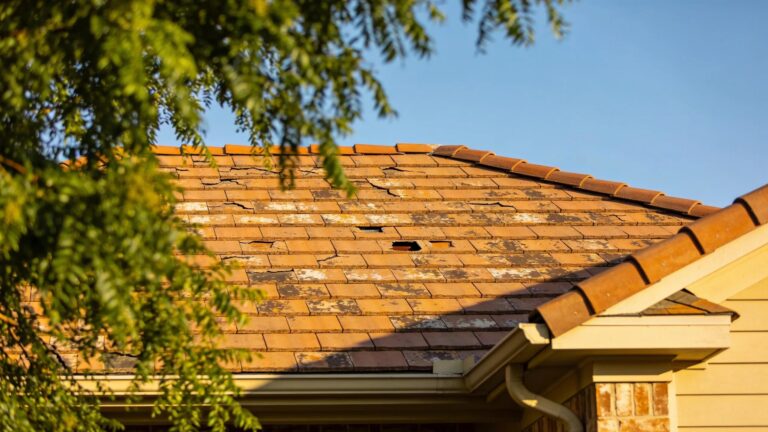
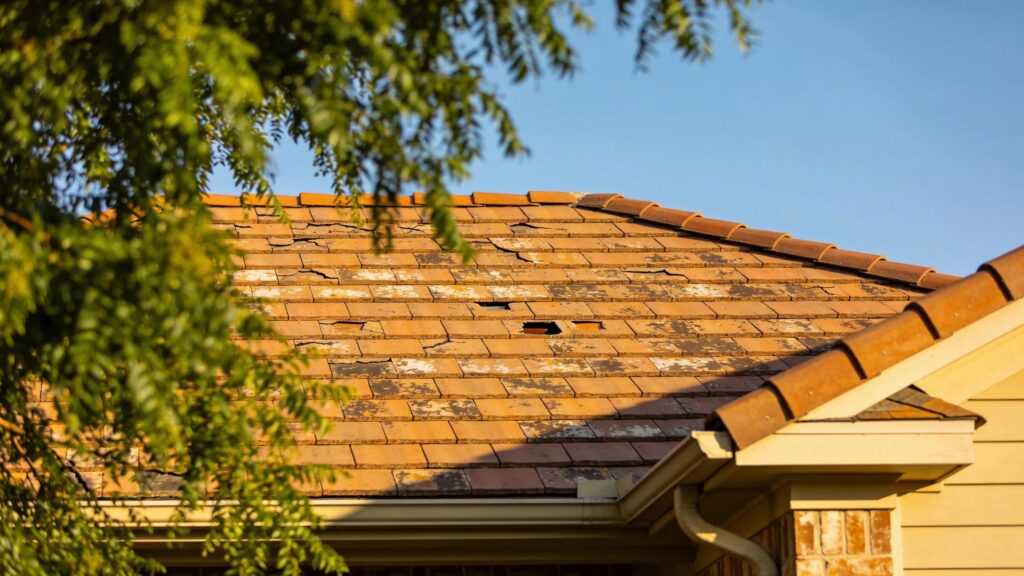
- Missing or broken shingles: If shingles are compromised, your roof’s protection against leaks is diminished.
- Granules in gutters: The presence of granules can indicate that your shingles are deteriorating, which might lead to them needing replacement.
- Visible cracks or sagging: These physical deformities in your roof’s structure are alarming and may require immediate professional repair.
- Frequent leaks in different areas: Ongoing leaks can signify systemic failure within your roofing material and may necessitate a full replacement.
If you observe any of these signs, contact a professional to assess your roof. For homeowners, focusing on residential roofing helps protect your home’s safety and value.
What Are the Most Common Roof Damage Signs in Fort Worth You Should Recognize?
Recognizing common indicators of roof damage lets you act quickly and limit further harm to your property:
- Discoloration indicating leaks: Water seepage can stain ceilings and walls, indicating urgent roof repair needs.
- Missing shingles causing water exposure: Each missing shingle increases the likelihood of water infiltration and damage.
- Granules indicating shingle deterioration: A significant amount of granules in the gutters can suggest that shingles are aging and losing efficacy.
- Cracks indicating structural issues: Cracks can compromise the safety and stability of your roof, requiring immediate attention.
- Multiple leaks indicating extensive damage: Frequent leaks might be a sign of widespread damage, possibly requiring a full roof replacement.
Early detection of these signs reduces repair costs and extends roof life. For commercial properties, addressing commercial roofing concerns is equally important to protect business assets.
How to Identify Roof Leaks and Water Damage Early
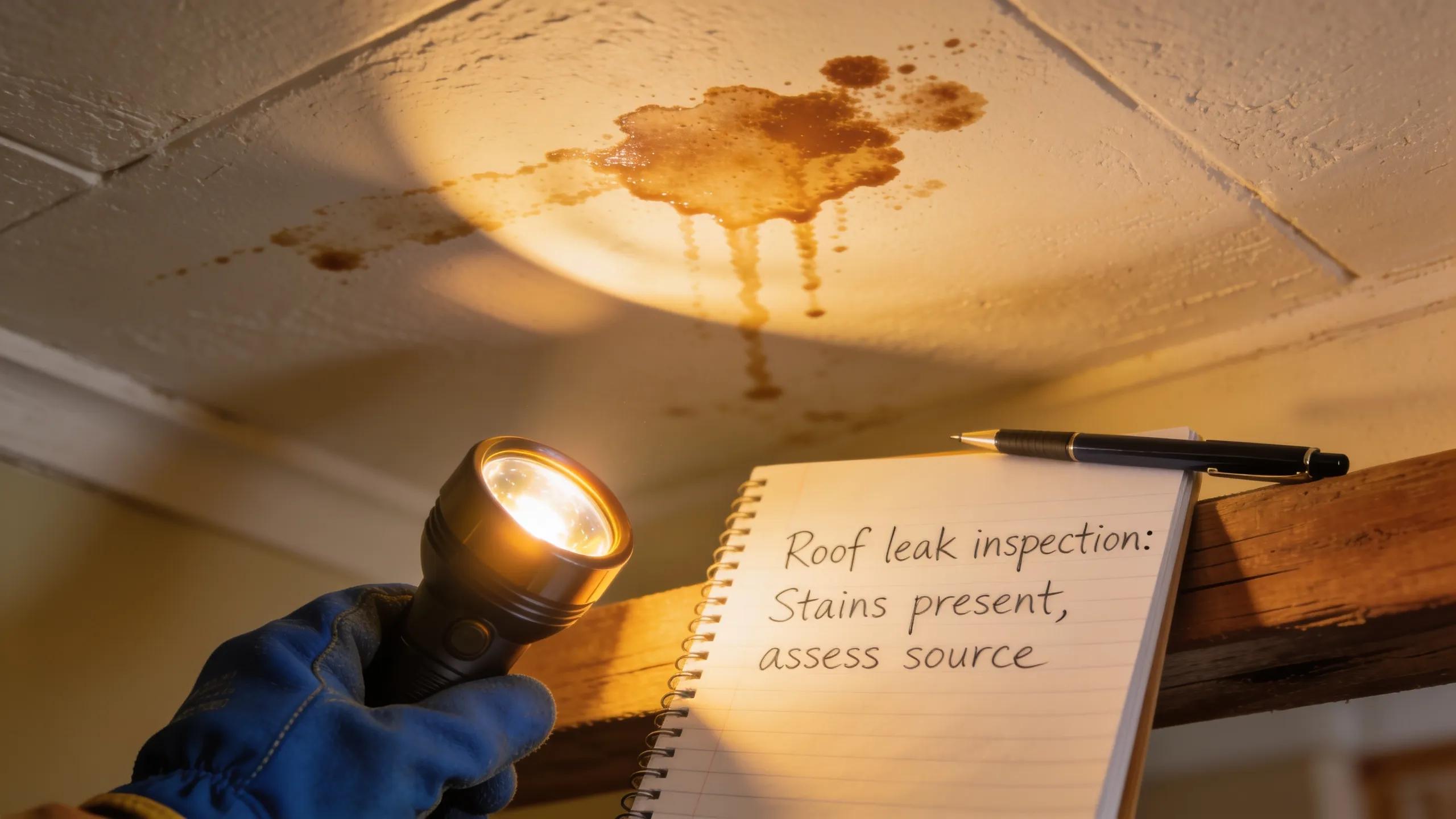
Early leak detection preserves your roof’s lifespan. Follow these essential inspection steps:
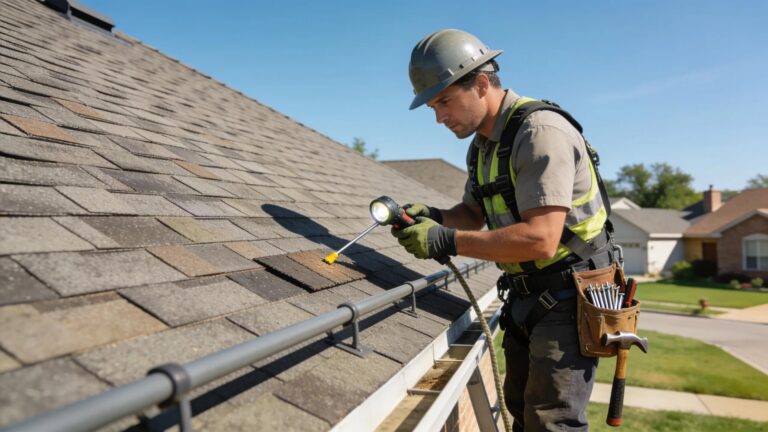
- Routine inspections are crucial: Regularly check your roof for signs of wear and damage, especially after severe weather.
- Look for discoloration on ceilings: Stains can indicate leaks behind your walls.
- Check gutters for granule accumulation: Regular checks can reveal early signs of shingle wear.
- Examine roof structure for sagging or cracks: Address structural compromises before they lead to more severe issues.
- Proactive measures can prevent more damage: Timely repairs can extend the life of your roof.
Regular inspections and prompt repairs help avoid major damage. Professionals can simplify complex tasks like storm assessments and insurance claims; for instance, engaging with experts who offer insurance claim assistance can be valuable.
Why Is Shingle Damage a Critical Roof Repair Indicator?
Shingle damage commonly leads to leaks and escalating repair costs. Key reasons it matters include:
- Types of shingle damage include curling and cracking: These issues may expose the underroof to water and lead to leaks.
- Missing shingles expose the underlying roof: The absence of shingles opens up parts of your roof to weather damage.
- Neglecting shingle damage can lead to costly repairs: Minor issues can escalate into major repairs if not promptly addressed.
Maintaining shingle condition preserves overall roof integrity and reduces the risk of severe damage.
How Does Severe Weather Impact Your Fort Worth Roof’s Condition?
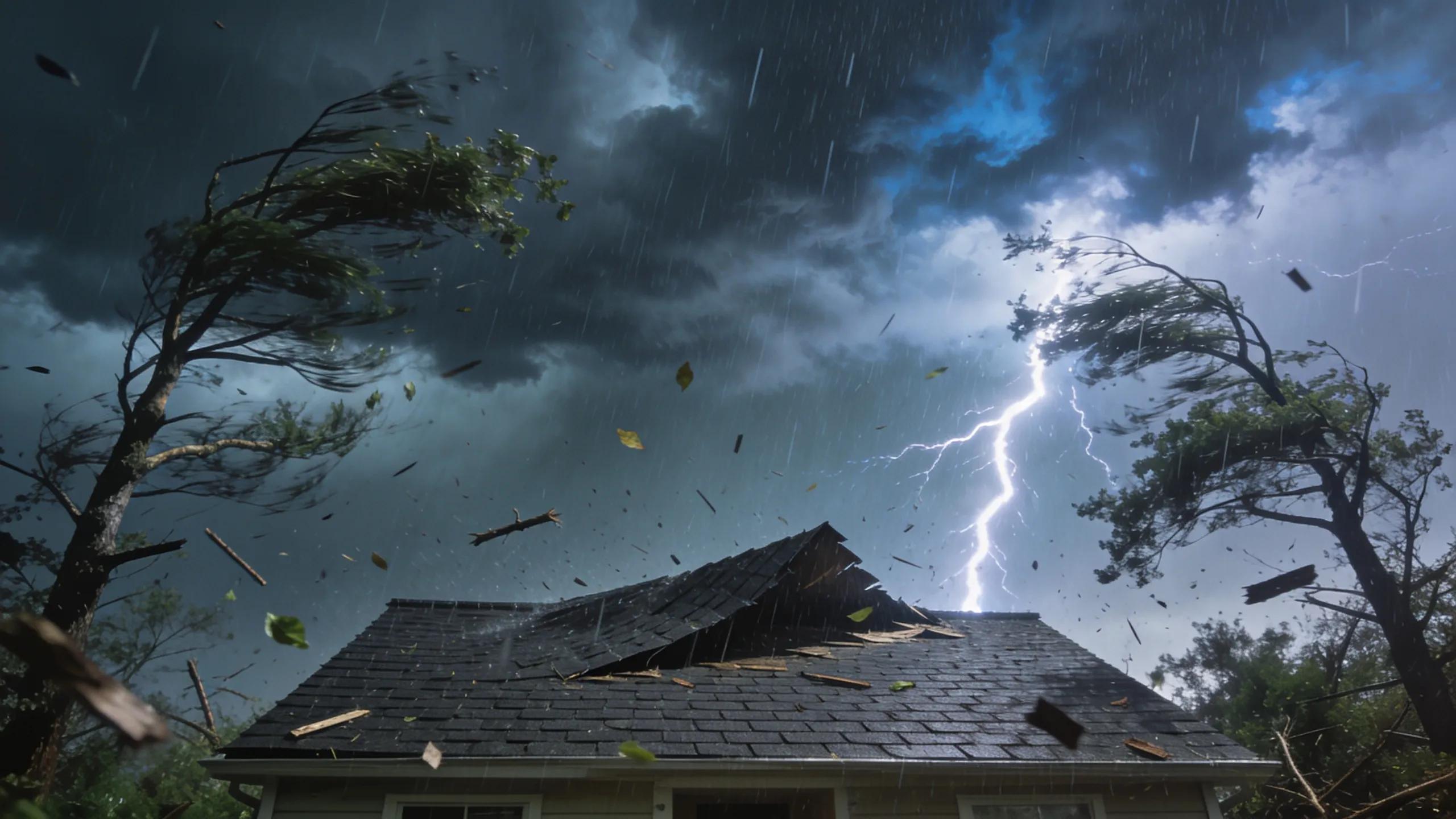
Severe weather can significantly degrade roofing materials. Typical effects include:
- Hailstorms can damage shingles severely: Heavy hail can create dents and holes in roofing materials, leading to leaks.
- High winds may remove or lift shingles: Wind can compromise the seal of shingles, allowing water to infiltrate.
- Extreme heat causes premature aging of roofing materials: Constant exposure can lead to warping, cracking, and general deterioration.
Understanding these impacts supports proactive maintenance to reduce the risk of costly repairs.
What Roof Damage Results From Hail and Storms in Fort Worth?
Knowing common storm-related damage helps you prepare and respond effectively. Key issues include:
- Hail can break or crack shingles: Impact from hailstones often leads to significant roofing issues.
- High winds may lead to missing shingles: Sudden gusts can dislodge shingles, creating vulnerabilities.
- Water accumulation can cause leaks quickly: Improper drainage due to storm debris can heighten leak risks.
These conditions reinforce the need for regular maintenance and inspections to protect roof longevity.
When Are Emergency Tarping and Repairs Necessary After Storm Damage?
Certain storm-related damage requires immediate action to limit further loss. Examples include:
- Major leaks need quick tarping: Protecting your interior from water damage can prevent costly repairs.
- Missing shingles expose underlayment: Immediate repairs can reduce the risk of water infiltration.
- Visible sagging requires immediate professional attention: Sagging indicates structural issues that may need urgent correction.
Address storm damage promptly to avoid long-term issues. For urgent protection, services like emergency tarping and repairs provide immediate coverage.
How Can You Determine If Your Roof Needs Replacement Versus Repair?
Choosing repair or replacement depends on several factors. Consider the following when evaluating your options:
- Consider the age of the roof and extent of damage: Older roofs may require replacement, while newer ones may only need repairs.
- Previous repairs impact the decision: If your roof has already undergone multiple repairs, replacement might be more cost-effective.
- Cost-effectiveness plays a crucial role: Assess whether the cost of frequent repairs exceeds that of a new roof installation.
A careful evaluation prevents unnecessary costs and supports long-term roof performance.
What Roof Inspection Signs Indicate the Need for Replacement?
Recognizing these critical signs in inspections can prevent higher costs later. Key indicators include:
- Widespread shingle damage is a clear indicator: If many shingles are damaged, replacement may be needed.
- Frequent leaks show systemic issues: Ongoing leaks can indicate deep-rooted problems requiring more extensive solutions.
- Structural damage likens to immediate replacement needs: If the roof’s structure is compromised, replacement is likely the best solution.
Knowing these indicators helps you plan timely interventions for your roofing system.
How Does Roof Age and Structural Integrity Affect Replacement Timing?
Roof lifespan and structural condition are central to maintenance planning. Important considerations include:
- Old roofs require careful inspection for damage: Regular checks can determine whether repairs or replacement are necessary.
- Structural issues multiply risks over time: Deterioration can escalate, leading to urgent replacement needs.
- Age impacts insurance and resale value considerations: An aging roof can be a red flag for prospective homebuyers or insurance providers.
Factoring these elements into your maintenance plan helps establish a practical timeline for repairs or replacement.
What Role Does Solar Panel Integration Play in Roof Repairs and Replacement?
Integrating solar panels with roofing work requires careful coordination. Key aspects to consider are:
- Plan for roof replacement before solar installation: Aligning these services can prevent potential future complications.
- Structural integrity is crucial for panel support: Ensuring the roof can hold additional weight is necessary before installation.
- Evaluate energy efficiency alongside service needs: Integration should maximize efficiency and minimize future repairs.
Proper planning improves system stability and performance. If you have solar panels, detaching and resetting them for roof work is a specialised service offered by experienced providers.
How Can Insurance Claim Assistance Simplify Roofing Repairs in Fort Worth?
Used correctly, insurance can significantly offset repair costs. Key considerations include:
- Insurance covers many roofing repair costs: Understanding your policy can minimize out-of-pocket expenses.
- Proper documentation is necessary for filing claims: Accurate documentation strengthens your claims process, ensuring timely assistance.
- Expert assistance facilitates smoother claims processes: Working with professionals can expedite your claims experience.
Effectively managing insurance claims makes the repair process smoother for homeowners.
What Steps Should You Follow to File a Roof Damage Insurance Claim?
Follow these steps when filing a roof-damage insurance claim:
- Schedule a professional inspection post-storm: An expert assessment can provide a thorough evaluation of damages.
- Document damage with photos: Visual evidence is essential for substantiating your claim.
- File the claim with proper reports from the contractor: Inclusion of professional assessments can expedite the approval process.
Adhering to this process improves the likelihood of a successful claim and helps fund necessary repairs.
How Does Best Roofer Solar Support Insurance Claims and Customer Trust?
Helping clients through insurance claims builds trust and supports long-term relationships. Best Roofer Solar assists customers by offering:
- Detailed documentation services: Comprehensive reporting simplifies the claims process.
- Clear and transparent communication: Keeping clients informed throughout the process enhances trust.
- Assists throughout the claims process: Ongoing support ensures clients feel confident in their journey to repairs.
These services encourage homeowners to rely on their roofing partner with confidence.
Frequently Asked Questions
1. How often should I inspect my roof for damage?
Inspect your roof at least twice a year—ideally in spring and fall—and after extreme weather events. Regular checks catch early signs of wear so you can address issues before they escalate into costly repairs.
2. Can I perform roof repairs myself, or should I hire a professional?
Minor repairs may be manageable for homeowners with the right tools and safety measures, but hire a professional for major issues. Professionals assess and repair damage safely, ensure compliance with building codes, and can prevent further problems that increase costs.
3. How do I know if I need a roof replacement instead of just repairs?
Consider roof age, extent of damage, and repair costs. Roofs older than about 20 years with multiple problem areas often warrant replacement. A roofing professional can recommend the most cost-effective solution for your situation.
4. What types of roofs are most susceptible to damage from severe weather?
Asphalt shingle roofs are common and typically more vulnerable to wind and hail. Tile and metal roofs may also suffer weather damage, especially if improperly installed or aged. Regular inspections and maintenance help reduce risk across roof types.
5. Are there specific signs that indicate long-term water damage?
Long-term water damage often appears as extensive discoloration on ceilings and walls, mold growth, or sagging roof or ceiling sections. These signs usually indicate prolonged water infiltration and may require major repairs or replacement.
6. What should I do if I notice a leak in my roof?
Contain the leak by placing a bucket or container under the drip to limit interior damage, then call a roofing professional. A qualified contractor will locate the source and recommend repairs to prevent further issues.
7. How can I improve my roof’s durability against weather conditions?
Improve durability with regular inspections, gutter cleaning, and timely repair of minor issues. Selecting high-quality materials for replacement and ensuring proper ventilation will also help reduce moisture buildup and extend your roof’s lifespan.
Conclusion
Timely recognition and repair of roof damage protect your Fort Worth property. Monitoring for discoloration, shingle deterioration, and leaks helps reduce repair expenses and extend roof life. Contact a professional roofing service for a thorough inspection and quote to protect your investment and review your expert roofing options.