
Thinking of installing solar panels? Great move—solar energy can slash your electric bills and increase home value. But here’s what many homeowners overlook: your roof has to be solar-ready before those panels can go up.
Skipping this step could cost you more in repairs or lost efficiency down the road.
This guide walks you through the 7 key factors to check before investing in solar.
Roof Age Is It Time for a Replacement?
Solar panels can last 25+ years, so if your roof is already 15–20 years old, you’ll want to consider replacing it before installation.
Why?
- Removing and reinstalling panels later is expensive
- Older roofs may not support panel weight or hardware
- A new roof ensures full warranty coverage and optimal lifespan
If your roof is near end-of-life, install both the roof and solar panels together—it saves on labor costs and avoids future headaches.
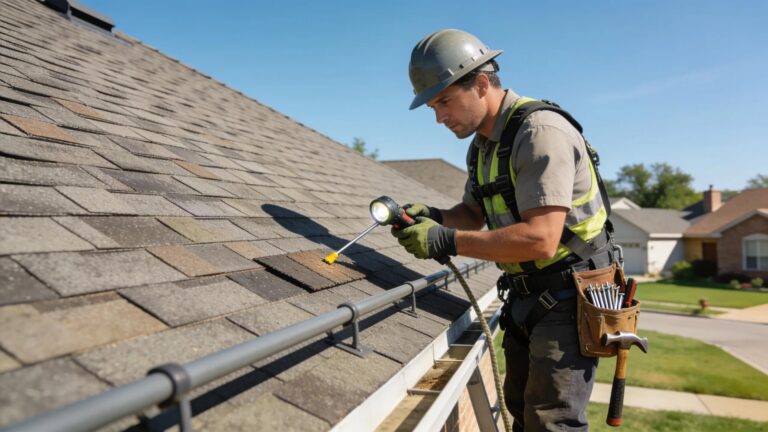
Roof Condition – Is the Structure Sound?
Solar panels add weight. Your roof must be able to safely support the added load without compromising structural integrity.
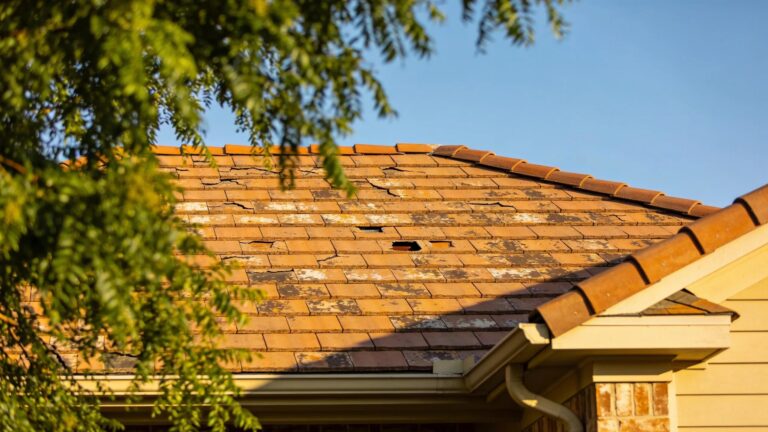
Warning signs your roof may need repairs:
- Sagging rooflines
- Water damage or soft decking
- Cracked, curled, or missing shingles
- Known leaks or mold in the attic
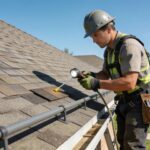
A roofing contractor can perform a structural inspection before solar installation.
Roof Orientation – Does It Face the Right Way?

The ideal roof orientation for solar panels (in North America) is:
- South-facing for maximum sun exposure
- West- or east-facing can still work, just slightly less efficient
- North-facing is usually the least effective
Also consider:
- Nearby trees or buildings that cast shade
- Angle or pitch of your roof (20°–40° is ideal)
Roof Size & Usable Space
Not all roofs have enough clear, unobstructed space to install an efficient solar system. Obstructions like dormers, chimneys, skylights, and vents can reduce usable area.
Questions to ask:
- Is there at least 300–500 square feet of open roof space?
- Are there large flat areas, or is the layout complex?
- Will solar panels require multiple roof planes?
Solar installers often use drone imagery or satellite mapping to assess roof surface area.
Roofing Material – Is It Compatible with Solar Panels?
Solar panels work best on roofs with these materials:
- Asphalt shingles (most common and solar-friendly)
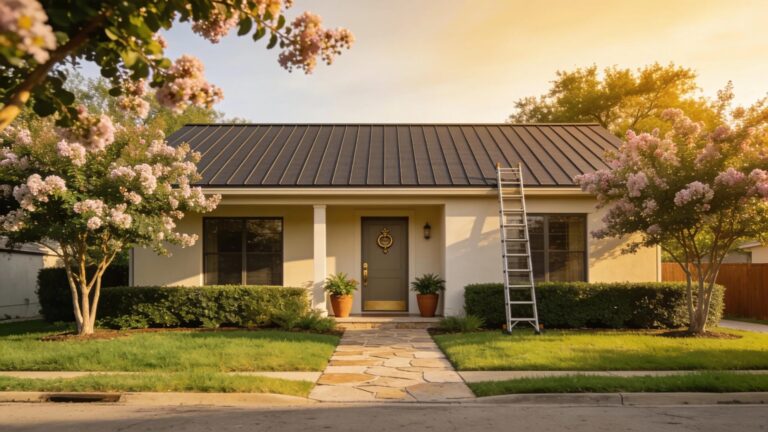
- Metal roofing (especially standing seam)
- Tile (can work, but may need extra hardware or care)
Avoid:
- Wood shake (not fire-rated)
- Clay tile (may crack during installation unless reinforced)
Electrical System – Is Your Home Set Up for Solar?
Solar systems integrate with your home’s electrical panel and breaker box. If your system is outdated, you may need upgrades like:
- Higher amperage panels (200 amps or more)
- Space for solar circuit breakers
- Proper grounding and surge protection
Your solar company will inspect this, but it’s good to plan early.
Coordinate With Your Roofer and Solar Installer
If you’re replacing your roof and adding solar, try to use contractors who can collaborate or offer roof + solar packages. This ensures:
- Panel mounting doesn’t void roof warranties
- Flashing and fasteners are correctly installed
- There’s no overlap in work that leads to damage or delays