Best Roofer Solar

How to Select the Best Roofing Contractor for Your Project

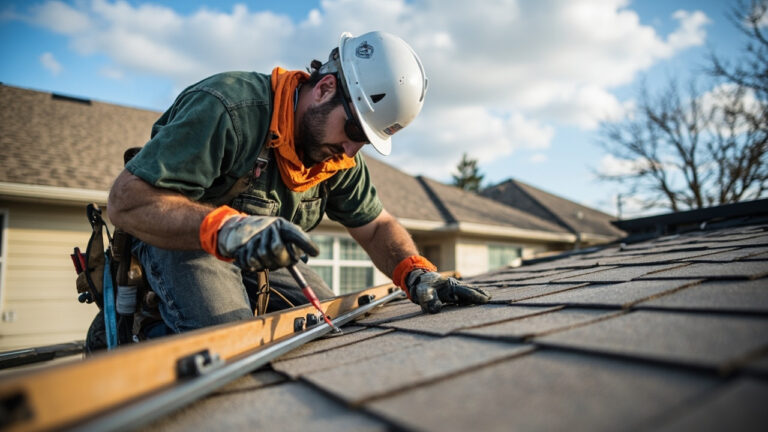
Homeowner consulting with a licensed roofing contractor about roofing options

How to Select the Best Roofing Contractor for Your Project

10 Essential Tips for Choosing the Right Roofing Contractor in the Dallas-Fort Worth Area

Selecting the right roofing contractor is essential to protect your home’s longevity and safety. With many options across the Dallas‑Fort Worth area, the decision can feel overwhelming. This guide provides practical, expert tips to help you identify licensed, reliable contractors. We cover researching local firms, verifying licenses and insurance, and evaluating roofing materials. The article also highlights common pitfalls and key decision factors so you can choose a contractor with confidence.

Choosing the Right Licensed Roofing Contractor in the Dallas-Fort Worth Area:

Hiring a licensed roofing contractor helps protect your investment and ensures professional workmanship. Licenses indicate that a contractor meets established standards and regulatory requirements. A licensed professional follows industry best practices and provides greater accountability. In the Dallas‑Fort Worth region, where weather can be severe, selecting a licensed contractor improves the durability and performance of your roof.

Contractor Regulations: Licensing, Insurance, and Permitting

This capstone project examines how licensing, insurance, bonding, and permitting affect contractors in California. The researchers conducted qualitative interviews with six industry professionals, including general contractors, specialty contractors, and design‑build organizations, and collected 25 survey responses from contractors and construction professionals for broader perspective. The findings indicate that licensing, insurance, and bonding are seen as fundamental for establishing credibility and legal compliance, while permitting is identified as the most substantial impediment.

How Regulations Impact Contractors in California: Licensing, Insurance, Bonding & Permitting, 1989

10 Essential Tips:

Research Local Contractors:

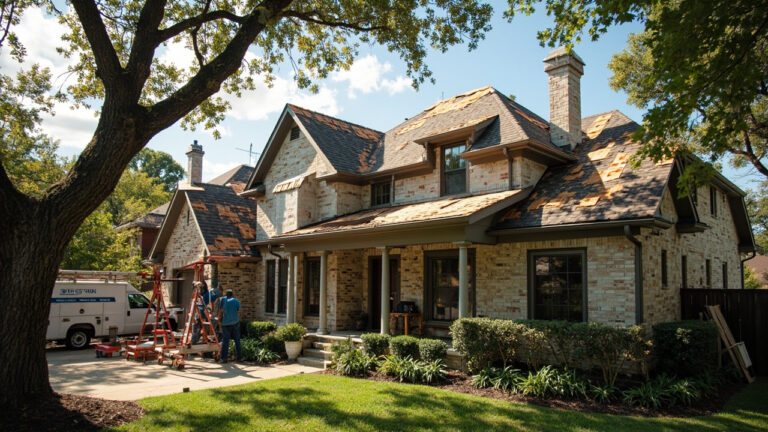
Local roofing contractors collaborating on project plans and materials

Start your search with local contractors. Local firms understand Dallas‑Fort Worth building codes and weather patterns. Use search engines and review platforms to locate nearby companies and check ratings on sites like Google, Yelp, and Angie’s List. A strong local presence often reflects commitment to the community and quicker follow‑up service.

Check Licenses and Certifications:

Verify a contractor’s state license and any manufacturer certifications. A valid license confirms compliance with local regulations; manufacturer credentials indicate expertise with specific products. This verification reduces risk and confirms the contractor is current with roofing technologies and installation standards.

Verify Insurance Coverage:

Confirm the contractor carries liability insurance and workers’ compensation. Liability insurance protects you from property damage during the project, while workers’ compensation covers on‑site injuries. Always request proof of coverage and verify the policies before work begins.

Read Reviews and Testimonials:

Review customer feedback across multiple platforms to assess a contractor’s reliability. Look for consistent comments about workmanship, communication, and timeliness. Patterns in reviews provide a clearer picture of performance than any single testimonial.

Get Multiple Quotes:

Obtain at least three detailed quotes to compare prices and services. Be cautious of unusually low bids; they may reflect inferior materials or shortcuts in workmanship. Ensure each quote describes the same scope so you can make an accurate comparison.

Ask the Right Questions:

Ask about the contractor’s experience, preferred materials, warranty terms, and request references. A reputable contractor will provide clear answers and client contacts. Use those responses to evaluate their expertise and customer service.

Understand Roofing Materials:

Different types of roofing materials displayed for comparison and evaluation

Learn how common materials differ—asphalt shingles, metal, and tile each offer distinct advantages. Consider climate suitability, expected lifespan, maintenance needs, and cost. Your contractor should explain trade‑offs and recommend options that match your budget and performance goals.

Watch for Red Flags:

Watch for warning signs such as large upfront payments, missing documentation, or high‑pressure sales tactics. Reputable contractors provide a written estimate and allow time to review the contract. If something feels off, continue your search.

Verify Warranties and Contracts:

Review warranties and contracts carefully. Confirm coverage for both materials and workmanship, and note payment schedules and completion timelines. A clear, comprehensive contract reduces the risk of disputes and protects your investment.

Plan Your Project Timeline:

Agree on a realistic project timeline with your contractor. Account for weather, permits, and material lead times. Clear scheduling and contingency planning help keep the project on track and minimise delays.

Key Factors to Consider:

Prioritise experience and reputation when choosing a contractor. Verify licensing and insurance to limit liability. Evaluate the quality of proposed materials, since they directly affect the roof’s lifespan and performance.

Common Pitfalls to Avoid:

Avoid selecting a contractor based solely on price; the lowest bid can cost more over time. Do not skip credential checks or ignore reviews. Conduct thorough research and ask targeted questions before making a commitment.

How Do Licensing and Insurance Requirements Ensure Roofing Contractor Reliability?

Licensing demonstrates that a contractor meets industry standards and regulatory requirements. Insurance—liability and workers’ compensation—protects homeowners from financial exposure due to damages or injuries. Together, these requirements increase accountability and professional standards in the roofing industry.

What Are the Key Licensing Credentials for Dallas-Fort Worth Roofing Contractors?

Dallas‑Fort Worth contractors should hold the appropriate state license and any manufacturer certifications relevant to the materials they install. These credentials verify legal compliance and product‑specific expertise.

How Does Proper Insurance Protect Homeowners During Roofing Projects?

Proper insurance shields homeowners from claims tied to property damage or worker injuries. Confirm that liability and workers’ compensation policies are current and adequate to avoid unexpected financial risk during the project.

What Should You Look for in Roofing Contractor Reviews and References in Dallas?

Focus on evidence of consistent workmanship, clear communication, and timely completion in reviews and references. Transparent pricing and detailed estimates are also strong indicators of trustworthiness and professionalism.

How to Verify Authenticity and Quality of Roofing Contractor Reviews?

Use reputable review sites and look for consistent patterns across multiple sources. Ask contractors for local references and contact past clients directly to confirm the quality and reliability of the work performed.

Why Are Customer Testimonials Critical for Choosing a Trusted Roofing Contractor?

Customer testimonials provide direct insight into a contractor’s performance. Detailed, positive testimonials indicate consistent quality in workmanship, communication, and adherence to schedules—factors that matter when choosing a trusted contractor.

Which Roofing Materials and Warranty Options Offer the Best Long-Term Value?

For long‑term value, choose durable materials—such as high‑grade asphalt shingles or metal—and warranties that cover both products and workmanship. This combination helps protect your investment and reduce future repair costs.

What Are the Most Durable Roofing Materials Available in Dallas-Fort Worth?

Common durable options in Dallas‑Fort Worth include asphalt shingles for cost‑effectiveness, metal for longevity and energy efficiency, and tile for durability and curb appeal. Compare each option against your budget and performance requirements.

How Do Roofing Warranties Protect Your Investment?

Warranties protect against material defects and installation errors. Product warranties cover manufacturing faults; workmanship warranties require the contractor to correct installation issues. Understand warranty terms and claim procedures before you commit.

How Can Solar Roofing Integration Enhance Your Home’s Energy Efficiency?

Integrating solar roofing reduces reliance on grid electricity, lowers utility bills, and can increase property value. A properly designed system also reduces your carbon footprint and improves long‑term energy performance.

What Are the Benefits of Hiring Solar Roofing Contractors in Dallas?

Solar roofing contractors in Dallas bring local expertise on system design, permitting, and code compliance. They coordinate installation with roofing needs, optimise system performance, and advise on incentives and financing to make solar investment practical.

How Does Solar Panel Detachment and Resetting Affect Roofing Services?

Detaching and resetting solar panels requires coordination between roofing and solar teams. Panels may need temporary removal to allow safe roof work and prevent damage. Close collaboration ensures both the roof and solar array are reinstalled correctly to maintain performance and avoid leaks.

Frequently Asked Questions

What should I do if I encounter issues with my roofing contractor after the project is completed?

First, raise the issue with the contractor and provide documentation such as photos and written correspondence. Reputable contractors typically address valid warranty claims. If the contractor is unresponsive, consider filing a complaint with the licensing board or seeking legal advice for serious or unresolved disputes.

How can I determine if a roofing contractor is reputable?

Check online ratings on Google, Yelp, and Angie’s List, request references, and verify licensing and insurance documents. A transparent contractor will share credentials and client contacts. If multiple warning signs appear, continue your search.

What are the typical payment terms for roofing projects?

Payment terms vary, but many contractors require a deposit—commonly 10–30%—with the balance due on completion. Ensure terms are detailed in the contract and avoid contractors who demand full payment upfront.

How long does a roofing project usually take to complete?

Project duration depends on roof size, materials, and weather. Most residential jobs take several days to two weeks; complex projects may take longer. Discuss the expected timeline and contingency plans with your contractor.

What should I do if my roof needs repairs during the warranty period?

Review the warranty to confirm coverage, then contact your contractor to request an inspection. Keep records of all communications. If a valid claim is denied, contact the warranty provider or seek legal advice.

Are there financing options available for roofing projects?

Many contractors offer financing through payment plans, loans, or lender partnerships. Discuss options early and compare terms to choose a plan that fits your budget. Also check for incentives or rebates for energy‑efficient materials.

What are the signs that my roof needs to be replaced rather than repaired?

Consider replacement when you see widespread shingle damage—curling, cracking, or missing shingles—significant interior leaks, or structural sagging. If an asphalt roof is approaching the typical 20–30 year lifespan, replacement may be more cost‑effective. Have a professional assess severe issues.

Conclusion

Choosing the right roofing contractor in Dallas‑Fort Worth protects your investment and ensures quality workmanship. Use these tips to vet licensed, insured professionals who meet your needs. Research locally, verify credentials, request multiple quotes, and schedule inspections. Start by contacting qualified contractors to request estimates and plan your project with confidence.

Share on

Related Posts

Recognize the Signs: Fort Worth Roof Repair or Replacement
17Jul

Recognize the Signs: Fort Worth Roof Repair or Replacement

Is your roof showing signs of wear? Learn the critical indicators that signal it's time…

10 Key Questions to Spot a Trustworthy Roofing Contractor
14Jul

10 Key Questions to Spot a Trustworthy Roofing Contractor

Learn how to identify a reliable roofing contractor with these ten essential questions. Ensure your…

Top Tips for Reliable Roofing Reviews in Fort Worth, TX
10Jul

Top Tips for Reliable Roofing Reviews in Fort Worth,…

Find trustworthy roofing reviews in Fort Worth, TX, with our top tips. Make informed decisions…